

parken
parken
Enter your text here...
1: The Birth of an Archipelago
Welcome, explorers of the Earth's natural history, to a journey through the genesis of the Cape Verde Islands! This chain of ten main islands and several islets, located in the central Atlantic Ocean off the coast of West Africa, is a geologist's dream, brimming with lessons on the forces that shape our planet.
Cape Verde's story begins some 180 million years ago when monumental tectonic shifts led to the birth of the Atlantic Ocean. As the African and American plates diverged, magma from deep within the Earth's mantle rose to create underwater mountains. However, it wasn't until about 20 million years ago that the drama of Cape Verde's creation truly unfolded.
The islands owe their existence to a hotspot, a plume of extremely hot rock that wells up from deep in the Earth's mantle. This hotspot remained stationary while the African plate moved slowly over it. As the tectonic plate traveled westward, it created a series of volcanic islands, much like the breadcrumbs of a giant geological trail. These islands emerged from the ocean, growing steadily with repeated eruptions that piled lava upon lava, forming steep mountains and expansive plateaus.
Each island's unique shape and characteristics were sculped over millennia by volcanic activity, weathering, and erosion. Some, like Fogo, showcase classic shield volcanoes with broad, gently sloping sides created by flowing lava. Others, such as Santo Antão, reveal rugged landscapes, the result of explosive eruptions and the relentless sculpting by wind and water.
The islands are a showcase of volcanic features – from craters and calderas to the striking lava flows and tuff cones. The raw beauty of Cape Verde is a testament to its fiery origins and the incredible forces of nature that continue to shape the Earth's surface.
2: The Volcanic Pulse of Cape Verde
The heart of Cape Verde's geological marvel beats with volcanic activity. Fogo, the aptly named "island of fire," is home to the archipelago's most active volcano, Pico do Fogo. This volcano rises majestically to 2,829 meters, making it the highest peak in the country. The last significant eruption was in 2014, illustrating the living nature of this geological giant.
Pico do Fogo boasts a striking caldera, Cha das Caldeiras, a wide depression formed when a magma chamber collapses after an eruption. Within this caldera are fertile lands, cultivated by locals, demonstrating the symbiotic relationship between the volcanoes and the people of Cape Verde.
Other islands, though dormant, still present clues to their volcanic origins. Santiago, with its deep valleys and dramatic peaks, and the otherworldly deserts of Boa Vista and the salt pans of Sal, are all remnants of varied volcanic processes. These landscapes provide an open book to read the islands' fiery past.
Visitors to Cape Verde can explore these natural monuments and witness the power that has shaped—and continues to shape—this region of the world. The islands tell a story of creation and change, offering a vibrant tapestry of Earth's constant evolution. For those of you with an appetite for adventure and a curiosity about our planet's backbone, Cape Verde awaits with its geological revelations.
Enveloped by the expansive Atlantic Ocean, off the coast of West Africa lies an archipelago that whispers the language of adventure, history, and cultural synthesis. Cape Verde, a country forged by volcanic might and seasoned by the salt of the sea, is an escape into a world less traveled. As the recent recipient of the Pulitzer Prize for travel literature, I am compelled to introduce you to Cape Verde's ten islands, each presenting a chapter in Africa's most compelling narrative of diversity and enchantment.
Santiago – The Cultural Heartbeat
The story begins on Santiago, the largest island and the seat of the nation's capital, Praia. It's a bustling hub where cobblestone streets tell tales of colonization and the fight for independence. History feels palpable here, from the old slave trading post at Cidade Velha, a UNESCO World Heritage site, to the vibrant music that spills out onto the streets, a testament to resilience and joy.
Sal – The Golden Sand Beaches
North of Santiago, Sal lures sun-seekers and water enthusiasts to its golden beaches that disappear into transparent waters. Those seeking serenity slide through the island's salt mines; others surge with adrenalin on kite-surfing odysseys. Santa Maria, the island's beacon, welcomes visitors with a blend of leisure and delight.
Boa Vista – The Dunes of the Sahara
Boa Vista, Portuguese for 'good view', doesn't fall short of its promise. The Saharan sands seem to merge with the island, revealing dunes and beaches so seamless that the horizon stretches into eternity. Here, the endangered loggerhead turtles make their nests, a cycle of life renewed each year beneath the moonlit sky.
Fogo – A Dance with the Volcano
Fogo, or 'fire,' is the island born of a flame that still burns at its core. Majestic Pico do Fogo, the highest peak of Cape Verde, dares the brave to climb and bestows upon the victors views of charcoal earth meeting verdant vineyards. The island's dark volcanic soils nurture rich coffee plantations and a robust wine industry, which offers a taste of the island's fierce spirit.
São Vicente – A Melody of Culture
Mindelo, the cultural heartbeat of São Vicente, pulses with the rhythm of 'morna', the traditional music of Cape Verde. Carnival here is a spectacle, infusing the island with creativity and color. São Vicente's deep harbor has long been a meeting point for seafarers and today welcomes travelers seeking Cape Verde's vibrancy.
Santo Antão – Nature's Majesty
Trekking aficionados flock to Santo Antão, where rugged peaks and verdant valleys craft a terrain demanding exploration. Travel the cobbled paths that connect rural villages, enjoy the star-filled skies, and sip on the local grogue as you discover why this island is the beating heart of Cape Verde's natural grandeur.
Maio – The Undiscovered Jewel
Maio remains largely untouched by the footprint of mass tourism. The island's seclusion is its charm, offering visitors soft sandy beaches and quaint townships like Vila do Maio, where time appears to rest in the shade of the almond trees.
São Nicolau – The Oasis of Tranquility
Dramatic cliffs and serene villages await on São Nicolau. It is an island that reveres silence, encouraging reflection among its almost mystical landscapes. Tarrafal, with its stunning bay, pledges a respite far from the world's cries, nourishing the soul with simple authenticity.
Brava – Cape Verde's Blossoming Garden
Accessible mainly by sea, Brava is small but spirited, capable of stealing hearts with its wildflowers and hospitality. The island feels like a timeless garden, whispered about by poets, and lovingly named the 'island of flowers'.
Santa Luzia – The Uninhabited Sanctuary
Lastly, Santa Luzia, an uninhabited sanctuary, where nature flourishes unchallenged, reveals a terrain that echoes with the songs of seabirds and the dance of the waves.
Kap Verde, ein faszinierender Archipel im Atlantischen Ozean, bietet trotz seiner kompakten Größe eine beeindruckende landschaftliche Vielfalt. Obwohl alle Inseln vulkanischen Ursprungs sind, variieren sie stark in Bezug auf ihre Topografie und ihr Relief. Lassen Sie uns eintauchen und die Geographie dieser wunderschönen Inselgruppe entdecken.
Flache Inseln
Kap Verde kann auf der Grundlage seiner topographischen Merkmale in zwei Hauptgruppen unterteilt werden. Erstens gibt es die flachen Inseln, die durch ein sanftes Relief geprägt sind und nur wenige niedrige Hügel aufweisen. Diese Inseln, zu denen Maio, Boa Vista, Sal und Santa Luzia gehören, bieten lange, flache Strände und weite Sandflächen. Besonders hervorzuheben sind die Salinen, wie beispielsweise auf den Inseln Sal und Maio, wo Salz gewonnen wird.
Bergige Inseln
Zweitens gibt es die bergigen Inseln, die sich durch ein steiles und zerklüftetes Relief auszeichnen. Diese Inseln, zu denen Santo Antão, São Nicolau, Santiago, Fogo und Brava gehören, bieten beeindruckende Klippen, tiefe Schluchten und steile Hänge. Sie ziehen besonders Wanderliebhaber und Abenteurer an. Ein Highlight ist der Vulkan auf der Insel Fogo, der noch aktiv ist und eine der Hauptattraktionen des Archipels darstellt. Die Klippen von Santo Antão, São Nicolau und Brava bieten atemberaubende Ausblicke und waren ein Gehimtipp unter Wanderfreunden.
Die Insel São Vicente nimmt eine Zwischenstellung zwischen den flachen und bergigen Inseln ein. Die Insel hat eine relativ flache Küstenlinie, aber auch einige Hügel und Erhebungen im Inneren. Ihre Hafenstadt Mindelo ist bekannt für ihre lebendige Kultur und Musikszene, welche der Insel einen besonderen Charme verleiht.
Mit Ausnahme der flacheren Inseln – Santa Luzia, Sal, Boa Vista und Maio – ist das Relief des Archipels insgesamt recht zerklüftet. Die Landschaften variieren stark zwischen den Inseln. Kilometerlange Sandstrände sind typisch für die flachen Inseln, wobei die Praia de Santa Mónica auf Boa Vista eine atemberaubende Küstenlinie bietet, die ideal zum Sonnenbaden und Schwimmen ist. Die Inseln Sal und Maio sind zudem bekannt für ihre großen weißen Salzfelder, die nicht nur landschaftlich beeindruckend, sondern auch wirtschaftlich von Bedeutung sind.
Auf den bergigen Inseln findet man spektakuläre Klippen, vor allem auf Santo Antão, São Nicolau und Brava. Diese Inseln eignen sich hervorragend zum Wandern und bieten atemberaubende Ausblicke auf das Meer. Besonders bemerkenswert ist der Vulkan Pico do Fogo auf der Insel Fogo, der mit 2.829 Metern der höchste Punkt des Archipels ist und ein bedeutendes geologisches sowie touristisches Highlight darstellt.
Kurzum, Kap Verde bietet trotz seiner relativ geringen Fläche eine enorme landschaftliche Vielfalt. Von sanften Stränden bis hin zu steilen Vulkanhängen – es gibt viel zu entdecken und zu erleben. Egal, ob Sie sich für Wandern, Strandurlaub oder kulturelle Entdeckungen interessieren, die Inseln von Kap Verde haben für jeden etwas zu bieten. Genießen Sie Ihren Aufenthalt und lassen Sie sich von der einzigartigen Schönheit dieser Inselgruppe verzaubern!
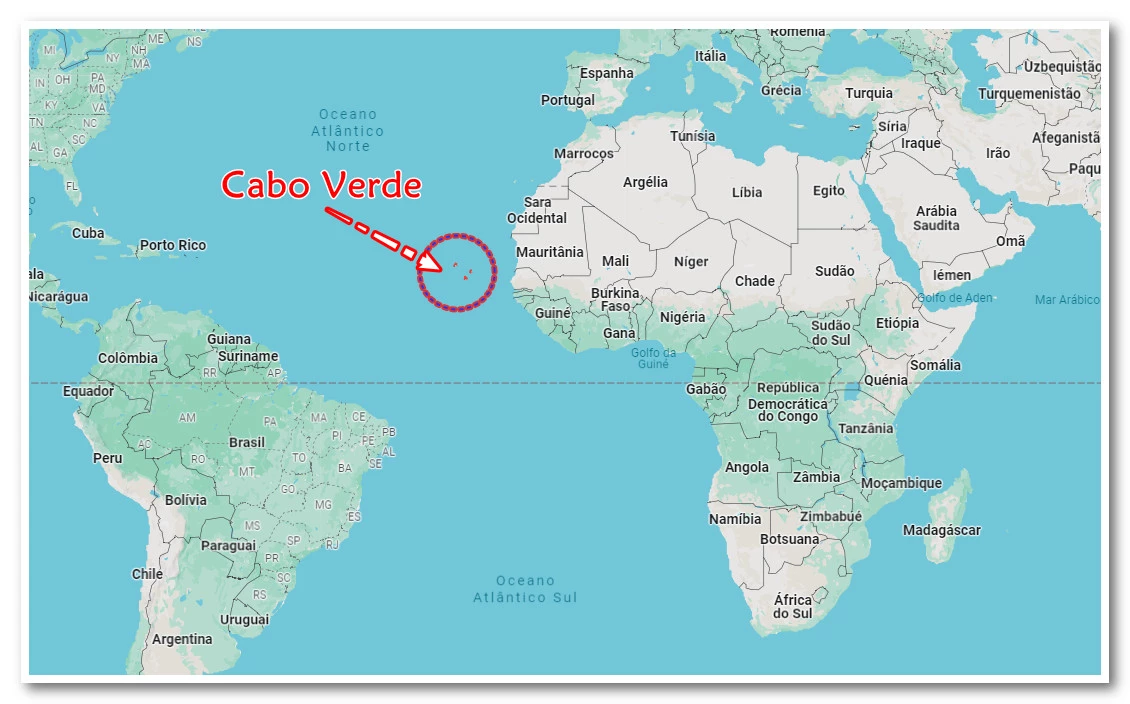
Cape Verde, officially known as Cabo Verde, is an enchanting archipelago located off the northwestern coast of Africa, in the central Atlantic Ocean. This island nation offers breath-taking landscapes and a unique blend of African, Portuguese, and Brazilian cultures, creating a compelling destination for travelers worldwide.
Cape Verde comprises ten volcanic islands and a few smaller islets, divided into two groups: the Barlavento (Windward) islands in the north and the Sotavento (Leeward) islands in the south. The Barlavento islands include Santo Antão, São Vicente, Santa Luzia, São Nicolau, Sal, and Boa Vista. The Sotavento group features Maio, Santiago, Fogo, and Brava.
The capital of Cape Verde, Praia, is situated on the southern coast of Santiago, the largest island of the archipelago. Praia stands as the political, economic, and cultural heart of the nation. As a dynamic and bustling city, Praia offers modern amenities intertwined with historic charm, making it a must-visit for anyone exploring the islands.
Cape Verde's location in the central Atlantic provides it with a strategic position that historically served as a crossroads for maritime routes. The islands' geographical position also endows them with a favorable climate that ranges from arid to semi-arid, ensuring more than 350 days of sunshine annually, which is perfect for beachgoers and outdoor enthusiasts.
The archipelago's coastlines stretch extensively, adorned with white-sand beaches, crystal-clear waters, and dramatic cliffs. The islands of Sal and Boa Vista, in particular, are renowned for their stunning beaches and excellent conditions for water sports like windsurfing, kite surfing, and diving.
Travelers will also appreciate the rich biodiversity of Cape Verde. With a marine environment teeming with life, it's a paradise for snorkeling and diving, where you can encounter vibrant coral reefs, diverse fish species, and even see loggerhead turtles and humpback whales.
Adding to Cape Verde's allure is its vibrant music scene. The islands gave the world the likes of Cesária Évora, whose soulful morna tunes echo the poignant beauty of the archipelago. Local festivals and music events throughout the year offer visitors an immersive cultural experience.
Cape Verde is well-connected by air, with multiple international flights arriving at Amílcar Cabral International Airport on Sal Island and other airports on Santiago and Boa Vista. This accessibility makes it easy for visitors from across the globe to discover the islands' unique charm.
For those seeking adventure, a relaxed beach holiday, or a blend of both, Cape Verde is a hidden gem waiting to be explored. The archipelago's hospitality, natural beauty, and vibrant culture promise an unforgettable experience that instills lasting positive memories and a longing to return.
Fläche: ~216 km²
Höchster Berg: Monte Grande (auch als Monte Vermelho bekannt), ca. 406 m
Maximale Länge der Insel: ~30 km
Maximale Breite der Insel: ~12 km
Bevölkerung: Ca. 35.000 Einwohner
Gemeinden: Es gibt eine Gemeinde - Sal
Hauptstadt: Espargos, ca. 17.000 Einwohner
Nächste Insel / Entfernung: Boa Vista, ungefähr 50 km östlich von Sal.
Flughafen : Amílcar Cabral International Airport, in der Nähe von Espargos.
Seehafen : der Hafen von Palmeira an der Westküste der Insel.
Cape Verde, an archipelago in the Atlantic Ocean, offers an enticing blend of sun-kissed beaches, vibrant culture, and pristine natural beauty. With its subtropical, dry climate, the islands are a year-round destination. However, to make the most of your visit, certain periods stand out as ideal times to travel.
The best time to visit Cape Verde is between November and June during the dry season. During these months, warm, sunny weather with minimal rainfall is the norm. Daily temperatures range from 24°C to 30°C, providing perfect conditions for beach activities, sightseeing, and outdoor adventures. The constant trade winds during this period offer a refreshing breeze, making the warm temperatures more pleasant.
From November to February, visitors can enjoy average daily maximum temperatures of 24°C to 26°C, virtually no rainfall, and 8-9 hours of sunshine each day. This period is especially good for windsurfing and kitesurfing thanks to the stronger winds. As the season progresses into March through June, temperatures rise slightly to 26°C to 27°C, with minimal rainfall and up to 10 hours of sunshine per day, making this time perfect for beach outings, hiking, and exploring local festivals.
The sea temperatures around Cape Verde average between 23°C and 27°C, ideal for diving, snorkeling, and other water sports. Divers can enjoy the best underwater visibility from June to December. Wildlife enthusiasts will find the period from June to October particularly interesting as it marks the nesting season for turtles. Visiting between mid-August and November provides an opportunity to see baby turtles making their way to the sea. Additionally, Cape Verde hosts vibrant cultural events such as the São Vicente Carnival in February, the Baía das Gatas Music Festival in August, and the Gamboa Music Festival in Santiago in May.
While Cape Verde is accessible throughout the year, the summer months from July to September can be extremely hot and humid, with daily maximum temperatures reaching around 30°C. These months also see the highest rainfall, albeit still relatively low compared to other tropical destinations. For those who prefer milder temperatures and minimal rain, planning a visit outside of this period is advisable.
For budget-conscious travelers, April, May, and June are excellent months to visit. During these months, accommodation prices tend to be lower without compromising on the weather. This period allows you to enjoy the islands with fewer tourists and more economical travel expenses.
How the Canary Current Affects the climate and Nature in Cabo Verde
The Canary Current, a cool ocean current, significantly shapes the climate and vegetation of Cabo Verde. By cooling the sea around the islands, it leads to less evaporation and, consequently, less rainfall, making the islands quite dry. Because of this, the plant life in Cabo Verde is mostly suited to survive with limited water.
The types of plants you'll find include succulents, small shrubs, and hard-leaved perennials, all of which are drought-resistant. Trees are rare, except in places where there's a bit more humidity and shade. The soil remains nutrient-poor and prone to erosion, further limiting the diversity of vegetation. Farmers face challenges due to the dry climate and must focus on saving water and growing drought-resistant crops.
Despite the overall arid conditions, there are areas, especially in higher elevations, where cooler temperatures and trapped moisture from clouds create pockets of lusher vegetation.
About the Canary Current
The Canary Current is part of a large circular current system in the North Atlantic Ocean, flowing south along the west coast of Africa. It provides a stable climate, supports a rich marine ecosystem, and regulates sea temperatures. Combined with the trade winds, it creates the semi-arid climate of Cabo Verde. Additionally, it helps marine species migrate, making Cabo Verde an excellent place for observing marine life.
Steckbrief für die Insel São Antão (Cabo Verde):
Fläche: ~779 km²
Höchster Berg: Tope de Coroa, ca. 1.979 m
Maximale Länge der Insel: Ungefähr 43 km
Maximale Breite der Insel: Ungefähr 24 km
Bevölkerung: Ungefähr 40.000 Einwohner (Bitte aktualisieren Sie sich über die neusten demografischen Daten.)
Gemeinden: Es gibt drei Gemeinden auf São Antão - Ribeira Grande, Paul und Porto Novo.
Hauptstadt: Die größte Siedlung und zugleich das administrative Zentrum ist Ribeira Grande, aber aufgrund der Aufteilung in drei Gemeinden könnte man auch Porto Novo als Hauptverwaltungspunkt der Insel betrachten.
Nächste Insel / Entfernung: São Vicente ist die nächstgelegene bewohnte Insel, etwa 10 km im Süden.
Flughafen: Derzeit besitzt São Antão keinen operativen Flughafen.
Seehafen : der Seehafen befindet sich in Porto Novo an der Südküste.
1. Porto Grande (Mindelo – Ilha de São Vicente)
Porto Grande is often considered the main port of the country due to its significant capacity and strategic location. Situated in Mindelo, it acts as a hub for maritime transport, providing services for both cargo and passenger ferries. The port's facilities support a vital connection between the islands and the mainland, enhancing trade opportunities and tourism.
2. Porto da Praia (Praia – Ilha de Santiago)
As the capital's port, Porto da Praia serves as another deep-water facility, facilitating the movement of goods and people. The port is integral to the economic landscape of Santiago, providing essential services and contributing to local commerce. Its position enhances access to markets across the region, establishing Praia as a key player in Cape Verde's maritime activities.
3. Porto de Palmeira (Palmeira – Ilha do Sal)
Located on the island of Sal, this port primarily caters to tourism and fishing activities. Sal is known for its beautiful beaches and resorts, and Porto de Palmeira supports this by handling cruise ships and leisure vessels. The port also supports the fishing industry, which is vital for the local economy.
4. Porto Sal Rei (Sal Rei – Ilha da Boavista)
Similar to Palmeira, Porto Sal Rei serves the island of Boavista, which is renowned for its beaches and tourist attractions. This port significantly contributes to the island's tourism infrastructure, facilitating the arrival of visitors and the export of local goods.
5. Porto Novo (Porto Novo – Ilha de Santo Antão)
Serving as the main port for Santo Antão, Porto Novo is a critical link for transportation to and from this mountainous island, known for its hiking trails and agricultural products. The port allows for the shipment of goods and provides access to tourists looking to explore the island's rugged beauty.
6. Porto Vale dos Cavaleiros (São Filipe – Ilha do Fogo)
Located near the island's capital, this port supports both fishing and agricultural exports. The island of Fogo is famous for its volcanic landscapes and coffee plantations, and the port plays a role in exporting the local products to other islands and beyond.
7. Porto do Tarrafal (Tarrafal – Ilha de São Nicolau)
This port is vital for both commercial and recreational purposes. Tarrafal, known for its scenic landscapes and cultural sites, benefits from the port's role in bringing visitors and supporting the local economy.
8. Porto Inglês (Porto Inglês – Ilha do Maio)
Serving the quieter island of Maio, this port facilitates local trade and tourism. Maio, known for its tranquil beaches and natural beauty, relies on the port for connectivity and the influx of visitors.
9. Porto Furna (Furna – Ilha da Brava)
Although smaller than some of the other ports, Porto Furna is important for the island of Brava. It provides essential services for fishing and local transport, enhancing the island's accessibility.
Cabo Verde is home to nine ports that play a crucial role in the nation's economy, infrastructure, and connectivity. Among these, two stand out as deep-water ports, which are essential for accommodating larger vessels and facilitating international trade: Porto da Praia on Santiago Island and Porto Grande in Mindelo on São Vicente Island.
Here's the same treatment for the money guide: bullets turned into full-width paragraphs, wording kept as close to the original as possible.
Sal Island Cost & Money Guide: Prices, Currency & Budget Tips
Real-world prices for meals, taxis, tours, and groceries, plus essential advice on Euros, cards, and ATMs.
At a Glance: Money Summary
Official Currency: Cape Verdean Escudo (CVE).
Fixed Exchange Rate: The official bank exchange rate is fixed at 1 EUR = 110.265 CVE, but in daily cash transactions across the island, it is widely traded at a simplified local rate of 1 EUR = 100 CVE (with change usually returned in Escudos).
Card Acceptance: Cards are accepted at large hotels, resorts, and major tourist restaurants. Taxis, local tascas, street vendors, and minimarkets do not accept cards and are strictly cash-centric.
Daily Budget Bands: €40–€70 per person for a local/mid-range lifestyle, and €120+ per person for resort and tourist-heavy experiences.
Section 1: Currency Mechanics (Euro vs. CVE Peg)
Official Peg vs. Local Exchange Rates
Cape Verde operates on the Cape Verdean Escudo (CVE), which is officially pegged to the Euro. The official central bank exchange rate is set at 1 EUR = 110.265 CVE, but in daily transactions across Sal Island, vendors and taxis operate on an informal local rate of 1 EUR = 100 CVE.
Euros are widely accepted across resorts, restaurants, taxis, and local shops alongside Escudos. When paying in Euros at local establishments or small shops, change is almost universally returned in Escudos.
Typical Everyday Item Prices (Euros & Escudos)
Espresso Coffee & Pastries: €1.00 – €1.50 (100 – 150 CVE) at local bakeries (pastelarias). Cash only.
Local Beer (Strela / Criola 33cl): €1.50 – €3.00 (150 – 300 CVE) in local bars and beach spots.
Bottled Water (1.5L to 5L Jugs): €1.00 – €2.00 in minimarkets. Supermarket cash.
Plate of Cachupa (Local Stew): €4.00 – €5.00 (400 – 500 CVE) at traditional local tascas. Cash only.
Fresh Grilled Fish (Tourist Spot): €10.00 – €18.00 (1,000 – 1,800 CVE) per person for tuna or grouper. Cash or card.
Section 2: ATMs, Card Acceptance & Bank Fees
Payment Method Rules by Venue
Resorts & Large Hotels. Credit and debit cards (Visa/Mastercard) and Euros are widely accepted. Paying directly by card or Euro cash is preferred at check-in and resort amenities.
Tourist Restaurants (Santa Maria). Most mid-to-high-end restaurants accept card payments, though some enforce minimum spend thresholds or experience intermittent terminal signal dropouts. Carrying cash backup is recommended.
Local Eateries (Pastelarias & Tascas). Strictly cash only (Euros or Escudos). Change for Euro payments is returned in local Escudos.
Taxis & Alugueres (Minibuses). Strictly cash only. Paying with smaller Euro notes or exact Escudo change is strongly advised.
Souvenir Markets & Street Vendors. Strictly cash only. All bargaining and transactions are handled in Euro or CVE cash.
ATM & Card Reality Check
ATM Network & Locations. Multibanco ATMs (Vinti4 network) are located primarily in Santa Maria town center, major hotel lobbies, Espargos, and Palmeira.
Withdrawal Surcharges. Local ATMs charge an automatic access/withdrawal fee (typically around €3.00 / 300 CVE per transaction), on top of any foreign exchange fees assessed by your home bank.
Card Network Support. Visa is universally supported across all island ATMs and terminals, whereas Mastercard acceptance can occasionally be spotty at local bank machines.
Money-Saving Strategy. To avoid repeated ATM fees, card surcharges, and unfavorable bank conversion rates, bring physical Euro cash from home to pay directly or exchange locally.
Section 3: Dining Out Costs (Resort vs. Local Eateries)
Breakfast & Coffee
Budget / Local (Pastelarias & Tascas): €2.00 – €4.00 for espresso coffee, fresh pastry, or a traditional omelette.
Mid-Range Tourist Cafe: €5.00 – €8.00 for full breakfast plates, pancake stacks, or specialty coffees along Santa Maria's pedestrian strip.
Resort / Hotel Buffet: €12.00 – €20.00 per person for non-staying guests.
Lunch (Single Course + Drink)
Budget / Local (Tascas): €5.00 – €8.00 for a generous plate of Cachupa, daily fish stew, or Prato do Dia with a soft drink or local water.
Mid-Range Tourist Spot: €10.00 – €16.00 for grilled tuna steak, pasta, burgers, or wood-fired pizza with a local Strela beer.
Resort / Fine Dining: €20.00 – €35.00 for beachfront resort dining, fresh seafood salads, or international main courses.
Dinner (Two Courses + Drinks)
Budget / Local (Tascas): €8.00 – €14.00 for starter soup or grilled limpets, catch-of-the-day fish, and a glass of house wine or beer.
Mid-Range Tourist Spot: €18.00 – €30.00 for a fresh seafood platter, grilled octopus, or prime steak with wine or cocktails.
Resort / Fine Dining: €40.00 – €70.00+ for gourmet multi-course tasting menus, imported fine wines, or fresh spiny lobster.
Cocktails & Beverages
Local Bar / Neighborhood Spot: €3.50 – €5.00 for a traditional Caipirinha, Grogue, or local beer.
Tourist Venue / Music Bar: €6.00 – €9.00 for signature cocktails along the pedestrian zone or waterfront.
Resort Lounge / Beach Club: €10.00 – €15.00 for imported spirits and premium beach lounge mixology.
Section 4: Transportation Cost Bands
Official Taxis (Blue Taxis)
Santa Maria Town Rides: €3.00 – €5.00 (300 – 500 CVE) for short trips within Santa Maria or between nearby resort gates.
Santa Maria ↔ Airport (SID): €15.00 – €20.00 (1,500 – 2,000 CVE) fixed fare during daytime. Night surcharges (typically after 10:00 PM) increase the fare to €20.00 – €25.00.
Santa Maria ↔ Espargos / Palmeira: €15.00 – €20.00 each way for a private taxi charter.
Important Note: Taxis in Sal do not operate on meters. Always confirm and agree on the fixed fare with your driver before stepping into the vehicle.
Shared Minibuses (Alugueres / HiAces)
Santa Maria ↔ Espargos Route: 100 – 150 CVE (~€1.00 – €1.50) per seat each way.
Espargos ↔ Palmeira Route: 100 CVE (~€1.00) per seat each way.
Important Note: Shared minibuses (alugueres) are the most economical transport option on the island. They run continuously along the main asphalt spine road during daylight hours, stopping when flagged down and departing when full.
Vehicle Rentals (Car, Scooter, Quad/Buggy)
Economy Car Rental (2WD): €40.00 – €60.00 per day (excluding fuel and security deposit).
4x4 Vehicle Rental: €70.00 – €100.00 per day (strongly recommended if navigating off-road sand tracks to Buracona or Shark Bay).
Scooter / Moped Rental: €25.00 – €40.00 per day (suitable for town roads, but unsuitable for deep desert sand).
Quad Bike / Off-Road Buggy Rental: €60.00 – €110.00 for self-drive daily rentals or guided desert safaris.
Section 5: Tour & Activity Price Bands
Classic 1-Day Island Loop Tour
Organized 4x4 / Minibus Tour: €20.00 – €30.00 per person. This covers full-day group transportation across the island's top landmarks (Pedra de Lume, Shark Bay, Buracona, Terra Boa, and Palmeira).
Note on Out-of-Pocket Entry Fees: Most island tours do not include mandatory site entry tickets in their base price, so you will pay these directly in cash at each site. The Salinas de Pedra de Lume (salt crater float) charges a €6.00 entrance fee plus €1.00 for the post-float freshwater shower. Buracona & The Blue Eye (Olho Azul) has a €3.00 entrance ticket. Shark Bay (lemon shark wading) has free site access, but €2.00 – €3.00 is required to rent mandatory protective water shoes / Crocs.
Water Sports & Ocean Excursions
Half-Day Catamaran / Sailing Excursion: €40.00 – €60.00 per person (includes open-bar drinks, snacks, and snorkeling stops).
Discover Scuba Diving (First-Timer Baptism): €115.00 (includes pool training and open-water dive). Optional photo/video souvenir packages cost around €30.00.
Kitesurfing Lessons & Rentals: Single lessons start at €50.00 – €80.00, while multi-day beginner certification courses range between €250.00 – €400.00. Equipment storage passes (Safety/Rescue fee) at Kite Beach run €10.00 – €15.00 per day.
Desert & Eco-Tourism Activities
Guided Quad Bike or Buggy Desert Safari: €60.00 – €110.00 per vehicle (for 2- to 4-hour off-road desert tours across the sand dunes).
Guided Night Turtle Nesting Tour (July–October): €25.00 – €35.00 per person (helps fund local Loggerhead conservation efforts).
Zipline (Tirolesa) Flight: €9.00 – €25.00 per flight.
Section 6: Grocery & Supermarket "Price Shock"
The Island Import Premium
Because Sal is an arid volcanic island with minimal fresh water and agricultural land, virtually all fresh produce, dairy, toiletries, and packaged goods must be imported by sea or air. High ocean freight fees, port handling charges, and import tariffs create significant supermarket markups compared to mainland European retail prices.
Key Grocery Price Examples
Fresh Milk (1L): €2.00 – €2.80 for imported fresh milk vs. €1.50 for standard UHT long-life milk.
Sunscreen (200ml): €18.00 – €25.00 (extreme import tax markup; strongly recommended to buy and pack from home).
Imported Cheese & Cold Cuts: €4.00 – €7.00 per package for imported European cheeses and sliced meats.
Bottled Water (6x 1.5L Pack): €4.00 – €6.00 at Santa Maria minimarkets.
Fresh Fruit (Apples / Bananas): €3.50 – €5.00 per kg depending on recent ship arrival schedules.
As before, I removed the "💡 Would you like me to…" chat prompts. I also rewrote the "Card Acceptance" line with the YES/NO pipes into two plain sentences, and folded the three entry fees under the island tour into one paragraph. Everything else is unchanged.
Lesen Sie den vollständigen Reiseführer auf Deutsch
Sie müssen nur auf die blaue Taste „Übersetzen" klicken und Deutsch auswählen. Die deutsche Seite wird dann sofort angezeigt.
Santiago Island
- To Fogo: 70 kilometers (43 miles)
- To Maio: 40 kilometers (25 miles)
- To São Vicente: 220 kilometers (137 miles)
- To Santo Antão: 245 kilometers (152 miles)
- To Sal: 210 kilometers (130 miles)
- To Boa Vista: 185 kilometers (115 miles)
- To São Nicolau: 150 kilometers (93 miles)
- To Brava: 120 kilometers (75 miles)
Fogo Island
- To Santiago: 70 kilometers (43 miles)
- To Maio: 100 kilometers (62 miles)
- To São Vicente: 240 kilometers (150 miles)
- To Santo Antão: 265 kilometers (165 miles)
- To Sal: 280 kilometers (174 miles)
- To Boa Vista: 255 kilometers (158 miles)
- To São Nicolau: 215 kilometers (134 miles)
- To Brava: 30 kilometers (19 miles)
Maio Island
- To Santiago: 40 kilometers (25 miles)
- To Fogo: 100 kilometers (62 miles)
- To São Vicente: 240 kilometers (150 miles)
- To Santo Antão: 265 kilometers (165 miles)
- To Sal: 220 kilometers (137 miles)
- To Boa Vista: 195 kilometers (121 miles)
- To São Nicolau: 170 kilometers (106 miles)
- To Brava: 150 kilometers (93 miles)
São Vicente Island
- To Santiago: 220 kilometers (137 miles)
- To Fogo: 240 kilometers (150 miles)
- To Maio: 240 kilometers (150 miles)
- To Santo Antão: 16 kilometers (10 miles)
- To Sal: 148 kilometers (92 miles)
- To Boa Vista: 190 kilometers (118 miles)
- To São Nicolau: 110 kilometers (68 miles)
- To Brava: 290 kilometers (180 miles)
Santo Antão Island
- To Santiago: 245 kilometers (152 miles)
- To Fogo: 265 kilometers (165 miles)
- To Maio: 265 kilometers (165 miles)
- To São Vicente: 16 kilometers (10 miles)
- To Sal: 160 kilometers (99 miles)
- To Boa Vista: 175 kilometers (109 miles)
- To São Nicolau: 125 kilometers (78 miles)
- To Brava: 315 kilometers (196 miles)
Sal Island
- To Santiago: 210 kilometers (130 miles)
- To Fogo: 280 kilometers (174 miles)
- To Maio: 220 kilometers (137 miles)
- To São Vicente: 148 kilometers (92 miles)
- To Santo Antão: 160 kilometers (99 miles)
- To Boa Vista: 57 kilometers (35 miles)
- To São Nicolau: 130 kilometers (81 miles)
- To Brava: 250 kilometers (155 miles)
Boa Vista Island
- To Santiago: 185 kilometers (115 miles)
- To Fogo: 255 kilometers (158 miles)
- To Maio: 195 kilometers (121 miles)
- To São Vicente: 190 kilometers (118 miles)
- To Santo Antão: 175 kilometers (109 miles)
- To Sal: 57 kilometers (35 miles)
- To São Nicolau: 150 kilometers (93 miles)
- To Brava: 215 kilometers (134 miles)
São Nicolau Island
- To Santiago: 150 kilometers (93 miles)
- To Fogo: 215 kilometers (134 miles)
- To Maio: 170 kilometers (106 miles)
- To São Vicente: 110 kilometers (68 miles)
- To Santo Antão: 125 kilometers (78 miles)
- To Sal: 130 kilometers (81 miles)
- To Boa Vista: 150 kilometers (93 miles)
- To Brava: 230 kilometers (143 miles)
Brava Island
- To Santiago: 120 kilometers (75 miles)
- To Fogo: 30 kilometers (19 miles)
- To Maio: 150 kilometers (93 miles)
- To São Vicente: 290 kilometers (180 miles)
- To Santo Antão: 315 kilometers (196 miles)
- To Sal: 250 kilometers (155 miles)
- To Boa Vista: 215 kilometers (134 miles)
- To São Nicolau: 230 kilometers (143 miles)
- Sal climate
- Sal island Weather & Weatherforecast
- Sal - best time to visit
- Sal - top beach Santa Maria
- Santa Maria guide
- Sal island Sightseeing
- Sal island Activities
- Sal - natural attractions
- Sal island watersports
- Sal Island exploring route
- Sal island getting there
- Sal island accomodation all inclusive resorts
- Sal island accomodation
Portfolio


.
Die höchsten Berge von Kap Verde: Ein Überblick
Als Geograph möchte ich Ihnen einen Überblick über die beeindruckendsten Berge von Kap Verde geben. Diese Berge sind nicht nur landschaftlich beeindruckend, sondern spielen auch eine wichtige Rolle im Ökosystem und der Kultur der Inseln. Hier sind die höchsten Berge von Kap Verde, ihre Standorte und ihre jeweiligen Höhen.
Pico do Fogo (Fogo – 2829 m)
Der Pico do Fogo ist der höchste Berg von Kap Verde und erhebt sich majestätisch auf der Insel Fogo. Mit einer Höhe von 2829 Metern über dem Meeresspiegel ist er ein aktiver Vulkan und die zentrale Attraktion der Insel. Wanderungen zum Gipfel des Pico do Fogo bieten nicht nur spektakuläre Ausblicke, sondern auch einen Einblick in die vulkanische Aktivität der Region. Der letzte bedeutende Ausbruch war im Jahr 2014, wodurch die Landschaft ständig im Wandel ist.
Topo de Coroa (Santo Antão – 1979 m)
Der Topo de Coroa ist der höchste Punkt der Insel Santo Antão und erreicht eine Höhe von 1979 Metern. Dieser Berg liegt in der westlichen Region der Insel und ist bekannt für seine malerischen Wanderwege, die durch üppige Vegetation und tiefe Täler führen. Die Wanderung zum Gipfel des Topo de Coroa bietet atemberaubende Panoramablicke auf die gesamte Insel und das umgebende Meer.
Pico da Cruz (Santo Antão – 1585 m)
Ebenfalls auf Santo Antão gelegen, erreicht der Pico da Cruz eine Höhe von 1585 Metern. Dieser Berg ist ein beliebtes Ziel für Wanderer und Naturliebhaber, die die vielfältige Flora und Fauna der Insel erkunden möchten. Von seinem Gipfel aus hat man einen hervorragenden Ausblick auf die benachbarten Täler und die zerklüftete Küstenlinie.
Pico d'Antónia (Santiago – 1394 m)
Der Pico d'Antónia ist der höchste Punkt der Insel Santiago und erhebt sich auf 1394 Meter über dem Meeresspiegel. Dieser Berg liegt im zentralen Teil der Insel und ist von einer abwechslungsreichen Landschaft aus Wäldern, Felsen und landwirtschaftlich genutzten Terrassen umgeben. Der Gipfel des Pico d'Antónia bietet eine herrliche Aussicht auf die grünen Täler und die umliegenden Dörfer.
Monte Gordo (São Nicolau – 1312 m)
Mit einer Höhe von 1312 Metern ist der Monte Gordo der höchste Berg der Insel São Nicolau. Der Berg liegt in einem geschützten Naturreservat, das eine Vielzahl von einheimischen Pflanzen und Tieren beherbergt. Der Aufstieg zum Gipfel bietet Wanderern nicht nur eine beeindruckende Naturkulisse, sondern auch historische Einblicke, da entlang der Route alte Pfade und Ruinen zu finden sind.
Serra Malagueta (Santiago – 1064 m)
Die Serra Malagueta erhebt sich bis zu 1064 Meter über den Meeresspiegel und ist Teil eines Gebirgszuges im Norden der Insel Santiago. Das Gebiet ist ein Naturpark, der eine Vielzahl von Wanderwegen und Aussichtspunkten bietet. Besucher können hier die reiche Flora und Fauna der Insel genießen und die ländliche Kultur der umliegenden Gemeinden erleben.
Monte Fontainhas (Brava – 976 m)
Der Monte Fontainhas erreicht eine Höhe von 976 Metern und ist der höchste Punkt der Insel Brava. Diese Insel ist bekannt für ihre abgelegene und ruhige Atmosphäre. Wanderungen zum Gipfel des Monte Fontainhas bieten eine hervorragende Möglichkeit, die malerischen Landschaften und die dörfliche Lebensweise der Insel zu entdecken.
Monte Verde (São Vicente – 750 m)
Der Monte Verde ist mit 750 Metern der höchste Berg der Insel São Vicente. Der Berg bietet eine beeindruckende Aussicht auf Mindelo, die Hauptstadt der Insel, sowie auf die umliegenden Küsten und das Meer. Er ist ein beliebtes Ziel für Tagesausflüge und Wanderungen.
Monte Penoso (Maio – 431 m)
Der Monte Penoso erreicht eine Höhe von 431 Metern und ist der höchste Punkt der Insel Maio. Diese Insel ist bekannt für ihre ruhigen Strände und ihre trockene Landschaft. Der Gipfel des Monte Penoso bietet einen weiten Blick über die gesamte Insel und das umliegende Meer.
Topona (Santa Luzia – 397 m)
Mit einer Höhe von 397 Metern ist der Topona der höchste Punkt der unbewohnten Insel Santa Luzia. Santa Luzia ist bekannt für ihre unberührte Natur und ihre Bedeutung als Schutzgebiet für seltene Tierarten. Der Aufstieg zum Topona bietet eine einzigartige Gelegenheit, die wilde und unberührte Landschaft zu erleben.
Monte Estância (Boa Vista – 387 m)
Der Monte Estância, der sich auf eine Höhe von 387 Metern erhebt, ist der höchste Punkt der Insel Boa Vista. Boa Vista ist bekannt für seine weitläufigen Sandstrände und seine Wüstenlandschaft. Vom Gipfel des Monte Estância hat man einen ausgezeichneten Blick auf die sandigen Dünen und die Küstenlinie der Insel.
Monte Grande (Sal – 252 m)
Der Monte Grande erreicht eine Höhe von 252 Metern und ist der höchste Punkt der Insel Sal. Sal ist vor allem für seine Strände und seine Salinen bekannt. Der Aufstieg zu Monte Grande bietet Wanderern einen weiten Blick über die flache Insel und die türkisfarbenen Gewässer, die sie umgeben.
Zusammengefasst bieten die Berge von Kap Verde nicht nur spektakuläre Ausblicke, sondern auch einzigartige Wander- und Naturerlebnisse. Diese Gipfel sind ein Muss für jeden Naturliebhaber und bieten einen faszinierenden Einblick in die vielseitige Geographie der Inseln. Genießen Sie Ihre Zeit auf Kap Verde und lassen Sie sich von der beeindruckenden Berglandschaft verzaubern!
Mountainous Regions of Cape Verde
Cape Verde's ten volcanic islands present a stunning array of mountainous landscapes that shape the character and allure of the archipelago. The most notable mountainous regions are scattered across islands like Fogo, São Vicente, Santo Antão, and Santiago. These regions boast striking peaks, fertile valleys, and unique geological formations that have been influenced by volcanic and erosional activities.
A detailed understanding of Cape Verde's mountainous relief forms is essential for comprehending its climatic variations, agricultural practices, and tourism potentials.
Mountains on Fogo Island
Fogo Island is dominated by Pico do Fogo, the highest peak in Cape Verde, standing at 2,829 meters. This active volcano is the centerpiece of the island's geography and has shaped the local landscape with its periodic eruptions. The Caldeira, a massive volcanic crater surrounding Pico do Fogo, measures approximately 9 kilometers in diameter and contains several smaller volcanic cones. The island's terrain includes fertile slopes that support coffee and wine cultivation, utilizing the nutrient-rich volcanic soils.
Mountainous Terrain of Santiago
Santiago, the largest island in the archipelago, features rugged mountains that define its interior. The Serra Malagueta range in the northern part of the island presents notable peaks such as Pico da Antónia at 1,392 meters, the highest point on Santiago. The mountainous regions are characterized by steep valleys and terraces utilized for agriculture, primarily growing maize and beans. These areas also play a critical role in water catchment, supporting the island's aquifers and contributing to its relatively higher vegetation density compared to other islands.
Peaks of Santo Antão
Santo Antão is renowned for its breathtaking mountainous landscapes, which include some of the highest and most dramatic peaks in Cape Verde. The island's interior is dominated by the Topo de Coroa, rising to 1,979 meters. In contrast, the northeast features the verdant Paul Valley and the Ribeira Grande valley. The terrain here is distinguished by steep, terraced slopes and deep gorges, which are often shrouded in mist, creating a lush microclimate conducive to varied agricultural activities, such as growing sugarcane, bananas, and coffee.
Mountains on São Vicente
São Vicente's Monte Verde, at an elevation of 744 meters, is the highest point on the island. Despite being relatively lower in altitude compared to other peaks in the archipelago, Monte Verde provides panoramic views of the island and its surrounding waters. The mountain is covered in a blend of rocky terrain and sparse vegetation, shaped by the island's semi-arid climate.
Maritime and Climatic Influence
Cape Verde's mountainous regions are heavily influenced by the surrounding Atlantic Ocean, which moderates the climate and impacts weather patterns. The northeast trade winds bring moisture, especially to the windward side of the islands, fostering the development of lush, green valleys. Conversely, the leeward sides often exhibit drier and more arid conditions. These climatic variations contribute to a diverse range of ecosystems, from semi-arid scrublands to subtropical forests in the higher altitudes.
Conclusion
Cape Verde's mountainous regions, from the towering volcanic peaks of Fogo to the rugged ranges of Santiago and Santo Antão, are central to the archipelago's identity. These mountains not only define the islands' physical landscapes but also influence their climate, agriculture, and tourism. Understanding the geographical diversity of these mountainous areas provides insight into the rich natural heritage and ecological variety that Cape Verde offers to both residents and visitors alike.
Discover Cabo Verde: A Hidden Gem in the Central Atlantic
Cabo Verde, an enchanting archipelago off the northwestern coast of Africa, offers breathtaking landscapes and a unique blend of African and Portuguese cultures.
This island nation comprises 9 major volcanic islands divided into the Barlavento (Windward) islands – Santo Antão, São Vicente, São Nicolau, Sal, and Boa Vista – and the Sotavento (Leeward) islands – Maio, Santiago, Fogo, and Brava.
The capital, Praia, located on Santiago island, serves as the political, economic, and cultural heart of Cabo Verde. It combines modern amenities with historic charm, making it a must-visit for anyone exploring the islands.
Cabo Verde's central Atlantic location historically served as a maritime hub. The islands boast a favorable climate with over 350 days of sunshine annually, perfect for beachgoers and outdoor enthusiasts. Sal and Boa Vista islands are renowned for their stunning beaches and ideal conditions for windsurfing, kite surfing, and diving.
The archipelago offers rich biodiversity, with vibrant marine life making it a paradise for snorkeling and diving. Visitors can encounter coral reefs, diverse fish species, and marine animals like loggerhead turtles and humpback whales.
Adding to Cabo Verde's allure is its vibrant music scene, famously represented by Cesária Évora's soulful morna tunes. Local festivals and events provide an immersive cultural experience for visitors.
Accessible by international flights through Amílcar Cabral International Airport on Sal Island and other airports on Santiago and Boa Vista, Cabo Verde is open to global travelers seeking adventure, relaxation, or a mix of both. The islands' natural beauty, vibrant culture, and warm hospitality promise an unforgettable experience and a longing to return.
Sal ist eine sehenswerte Insel in der Barlavento-Gruppe von Cabo Verde. Mit einer Länge von 30 km und einer Breite von 12 km erstreckt sich die Insel entlang der wunderschönen Küste des Atlantischen Ozeans. Die paradiesischen Strände mit ihrem feinen weißen Sand und dem kristallklaren Wasser ziehen jährlich Tausende von Besuchern an.
Die Insel Sal hat eine Gesamtfläche von 216 km², was sie zu einer der kleineren bewohnten Inseln in Cabo Verde macht. Die Bevölkerung der Insel beläuft sich auf etwa 25.775 Menschen, die hauptsächlich in den städtischen Zentren an der Küste leben.
Das Klima auf Sal ist mild und sonnig, mit warmen Sommern und milden Wintern. Die Durchschnittstemperaturen im Sommer liegen bei angenehmen 30 Grad Celsius, während sie im Winter selten unter 16 Grad Celsius fallen. Dieses stabile Klima während des ganzen Jahres macht Sal zu einem beliebten Reiseziel für Sonnenanbeter.

Die Insel Sal hat eine bemerkenswerte geologische Beschaffenheit. Sie zeichnet sich durch ihre außergewöhnlich flache Topographie aus, mit Ausnahme einiger bergiger Gebiete im Norden der Insel. Diese einzigartige Landschaft macht sie ideal für lange Spaziergänge und Radtouren entlang der Küste.
Die salzigen Salinen sind ein charakteristisches Merkmal von Sal. Die Insel verdankt ihren Namen diesem wichtigen Wirtschaftszweig. Hier wird das Meersalz sowohl auf natürliche Weise als auch in modernen Anlagen gewonnen. Die Salzproduktion ist eng mit der Geschichte und der Entwicklung der Insel verbunden.
Die Hauptsiedlung auf Sal ist die Stadt Espargos, die auch die Hauptstadt der Insel ist. Mit einer Einwohnerzahl von etwa 8.000 Menschen ist Espargos das Herz von Sal, was sowohl politisch als auch wirtschaftlich von großer Bedeutung ist. Espargos ist auch der Standort des internationalen Flughafens Amílcar Cabral, der das Tor zum Paradies darstellt.
Santa Maria, im Süden der Insel gelegen, ist der wichtigste touristische Hotspot von Sal. Mit etwa 12.000 Einwohnern ist Santa Maria ein lebendiges Zentrum, das eine breite Palette von Aktivitäten und Dienstleistungen für Touristen bietet. Hier finden Besucher eine Vielzahl von Hotels, Restaurants, Geschäften und Freizeitangeboten.
Andere bedeutende Siedlungen auf der Insel sind Palmeira, ein malerisches Fischerdorf im Westen, und Pedra de Lume, eine kleine Gemeinde mit weniger als 100 Einwohnern und berühmten Salinen.
Der Tourismus spielt eine enorm wichtige Rolle in der Wirtschaft von Sal. Die Insel zieht jährlich Tausende von Touristen an, insbesondere in Santa Maria. Die touristischen Infrastrukturen umfassen moderne Hotels, Resorts, Wassersportmöglichkeiten und Ausflüge in die faszinierende Unterwasserwelt der Insel.
Mit seiner eigenwilligen Natur, dem angenehmen Klima, den ausgezeichneten Stränden und der gastfreundlichen Bevölkerung ist Sal zweifellos ein Reiseziel für alle, die absoluten Entspannung suchen und die Schönheit der Natur erleben möchten.
Die Insel Sal liegt im Atlantischen Ozean, etwa 570 Kilometer vor der Westküste Afrikas. Mit einer Gesamtfläche von 216 Quadratkilometern ist sie eine der kleineren Inseln in Cabo Verde. Sal zeichnet sich durch ihre außergewöhnliche Flachheit aus, mit nur wenigen bergigen Gebieten im Norden. Die Küstenlinie ist von langen Sandstränden und malerischen Buchten geprägt.
Sal ist von klarem, türkisfarbenem Wasser umgeben und profitiert von angenehmen Wassertemperaturen. Das warme, trockene Klima macht die Insel zu einem beliebten Reiseziel für Sonnenanbeter. Mit durchschnittlichen Temperaturen von 24°C im Sommer und 18°C im Winter können Besucher das ganze Jahr über das Sonnenlicht und die tropische Atmosphäre genießen.
Die vulkanische Vergangenheit der Insel hat zu einigen interessanten geologischen Formationen geführt. Sal ist bekannt für seine Salinen, sowohl natürliche als auch künstliche, die einen wichtigen Teil der Salzproduktion der Insel darstellen. Diese Salzgewinnung war von großer Bedeutung für die wirtschaftliche Entwicklung der Insel.

Die Bevölkerung von Sal ist in den Hauptstädten Espargos und Santa Maria konzentriert. Espargos ist mit rund 17.000 Einwohnern die größte Stadt, während Santa Maria im Süden der Insel mit etwa 12.000 Einwohnern ein beliebter touristischer Hotspot ist. Die gastfreundliche Bevölkerung von Sal pflegt eine reiche kulturelle Tradition, die von afrikanischen, portugiesischen und internationalen Einflüssen geprägt ist.
Sal ist berühmt für seine herrlichen Strände, an denen Besucher die warmen Wassertemperaturen genießen und verschiedene Wassersportarten wie Surfen oder Tauchen ausüben können. Die Insel bietet auch eine Vielzahl von Aktivitäten, darunter Ausflüge in die Salzsalinen oder Bootsfahrten entlang der Küste.
Mit ihrem einzigartigen Charme, dem angenehmen Klima und der wunderschönen Natur ist Sal ein Juwel im Atlantik. Egal, ob man sich am Strand entspannen, die lokale Kultur erleben oder die natürlichen Schönheiten erkunden möchte, Sal bietet eine unvergessliche Reiseerfahrung für jeden Besucher.
Cape Verde beckons with its exotic beauty and a unique blend of African and Portuguese culture. This Atlantic archipelago is a hidden gem to be discovered.
The Archipelago: A few hours south of the Canary Islands, the Cape Verde archipelago is a series of 12 stunning islands. Located about 460 kilometers west of the coast of Senegal, these islands form a cultural and geographical crossroads between continents. Their proximity to Europe makes them a convenient destination for travelers - just a six-hour flight from cities like Amsterdam or London.
Diverse Landscapes: The archipelago offers dramatic diversity - from the lunar-like landscapes of Sal to the green, fertile valleys of Santo Antão. Here you'll find miles of white sandy beaches that invite you to linger and sunbathe, while historic cities like the capital Praia on Santiago are rich in culture and history.
A destination for everyone: Whether you're an adventurer looking to explore the surf spots and hiking trails, or someone who just wants to relax in the sun and enjoy the region's culinary delights, Cape Verde has something for everyone. The Upper Windward side of the archipelago includes islands like Sal and Boavista, which tempt with their clear, azure waters and tourist-friendly beaches. On the Lower Windward islands like Santiago and Fogo, travelers can delve into the deeper, historical and natural beauty of the region, including an impressive active volcano.
Experiences with a difference: Immerse yourself in local culture and celebrate the famous carnival on São Vicente, or discover the unspoiled nature on the uninhabited islands of Santa Luzia, Branco and Raso. Each location offers a different range of experiences: from whale watching to enjoying Creole cuisine, which delights with its spices and flavors.
Climate and weather: Enjoy warm, pleasant weather all year round, making the islands a perfect holiday destination at any time of year. And with the tides come the windsurfers and kitesurfers, who find ideal conditions here.
Easy to get there: Cape Verde is accessible by air and by sea, with regular flights to and from the international airports on the islands of Sal, Boavista, Santiago and São Vicente. Once in Cape Verde, domestic flights and ferry services make it easy to travel to the other islands in the archipelago.
Sustainability and nature: As a visitor, you can also contribute to the preservation of this wonderful environment. The local government and various environmental organizations work hard to protect the natural wealth of the islands - including local wildlife such as whales and turtles.
With its warm hospitality and unmistakable Portuguese flair, this group of islands is sure to become your new favorite travel destination.

Ilha de Santo Antão
Ilha de São Vicente


Ilha de São Nicolau
Cabo Verde Country Information
The 5 Largest Cities in Cape Verde
Volcanoes in Cape Verde
History
The flag and national anthem of Cape Verde
Ilha do Sal


Ilha da Boa Vista
Ilha da Boa Vista
Ilha da Boa Vista
Ilha do Maio

Ilha do Maio
Ilha do Maio

Ilha de Santiago
Ilha do Fogo

Ilha Brava

Sal island travel information
1. Santa Maria - the island top beach location
Click here and start typing. Eum fugiat quo voluptas nulla pariatur at vero eos et accusamus et iusto odio dignissimos ducimus qui blanditiis praesentium voluptatum deleniti atque corrupti quos dolores et quas molestias excepturi sint occaecati cupiditate.
2. Best beaches in Sal island
Click here and start typing. Veritatis et quasi architecto beatae vitae dicta sunt explicabo nemo enim ipsam voluptatem quia voluptas sit aspernatur aut odit aut fugit sed quia consequuntur magni dolores eos qui ratione voluptatem sequi nesciunt.
Click here and start typing. Veritatis et quasi architecto beatae vitae dicta sunt explicabo nemo enim ipsam voluptatem quia voluptas sit aspernatur aut odit aut fugit sed quia consequuntur magni dolores eos qui ratione voluptatem sequi nesciunt.
Click here and start typing. Labore et dolore magnam aliquam quaerat voluptatem ut enim ad minima veniam quis nostrum exercitationem ullam corporis suscipit laboriosam nisi ut aliquid ex ea commodi consequatur quis autem vel eum iure reprehenderit.
4. All inclusive Resorts in Sal Island
Click here and start typing. Labore et dolore magnam aliquam quaerat voluptatem ut enim ad minima veniam quis nostrum exercitationem ullam corporis suscipit laboriosam nisi ut aliquid ex ea commodi consequatur quis autem vel eum iure reprehenderit.
Click here and start typing. Eum fugiat quo voluptas nulla pariatur at vero eos et accusamus et iusto odio dignissimos ducimus qui blanditiis praesentium voluptatum deleniti atque corrupti quos dolores et quas molestias excepturi sint occaecati cupiditate.
6. Food & Restaurants in Sal island
Click here and start typing. Eum fugiat quo voluptas nulla pariatur at vero eos et accusamus et iusto odio dignissimos ducimus qui blanditiis praesentium voluptatum deleniti atque corrupti quos dolores et quas molestias excepturi sint occaecati cupiditate.
7. Getting around in Sal island
Click here and start typing. Eum fugiat quo voluptas nulla pariatur at vero eos et accusamus et iusto odio dignissimos ducimus qui blanditiis praesentium voluptatum deleniti atque corrupti quos dolores et quas molestias excepturi sint occaecati cupiditate.
8. Sal airport- arrivals & departures
Click here and start typing. Eum fugiat quo voluptas nulla pariatur at vero eos et accusamus et iusto odio dignissimos ducimus qui blanditiis praesentium voluptatum deleniti atque corrupti quos dolores et quas molestias excepturi sint occaecati cupiditate.
9. Useful information
Click here and start typing. Veritatis et quasi architecto beatae vitae dicta sunt explicabo nemo enim ipsam voluptatem quia voluptas sit aspernatur aut odit aut fugit sed quia consequuntur magni dolores eos qui ratione voluptatem sequi nesciunt.
Kitesurf & Surf in Sal island
Click here and start typing. Veritatis et quasi architecto beatae vitae dicta sunt explicabo nemo enim ipsam voluptatem quia voluptas sit aspernatur aut odit aut fugit sed quia consequuntur magni dolores eos qui ratione voluptatem sequi nesciunt.
Weather & Weatherforecast for Sal Island
Click here and start typing. Veritatis et quasi architecto beatae vitae dicta sunt explicabo nemo enim ipsam voluptatem quia voluptas sit aspernatur aut odit aut fugit sed quia consequuntur magni dolores eos qui ratione voluptatem sequi nesciunt.
Background information on the island
Click here and start typing. Veritatis et quasi architecto beatae vitae dicta sunt explicabo nemo enim ipsam voluptatem quia voluptas sit aspernatur aut odit aut fugit sed quia consequuntur magni dolores eos qui ratione voluptatem sequi nesciunt.
GOOD OLD-FASHIONED
Cabo Verde Country Information
The 5 Largest Cities in Cape Verde
Volcanoes in Cape Verde
Conheça a Geografia e a Geologia das 10 Ilhas
History
The flag and national anthem of Cape Verde
language - palavras em crioulo
Bevölkerung
Religion
Africa's Perfect Destination: Cape Verde's 10 Islands
REFRESHING AND TANGY
Useful travel Information for Cabo Verde
Domestic flights, Cape Verde - Everything you need to know! Inlandsflüge
Cape Verde Flight Information
Ferries-Everything you need to know!
Car rental Cape Verde
Samuel-taxi - Mietwagen - scooter
Time & Time difference, Cape Verde
Flight time. Fly duration to the Cape Verde Islands
Currency and money transactions - Währung und Geldwechsel
SIM card Cape Verde - Cheap calls and internet
Budget tips for your trip to Cape Verde
Vaccinations and immunizations Cape Verde islands
Immigration & Visa - einreise-visum
Airports
Stay Safe on your journey
Island Hopping Holidays
Die Anreise
reiseliteratur / karten
reisetipps / reisekasse - quanto dinheiro levar para cabo verde
reisetipps / gesundheit

REFRESHING AND TANGY
Weather & Climate in Cabo Verde
The weather & climate in Cape Verde per month
Weather & Climate in Cape Verde
The Best Time to Travel
Rainy season Cape Verde - when can you expect rain?
SWEET AND ZESTY
Attractions & Sightseeing in Cabo Verde
What to do in Cape Verde?
The best activities per island
Sal or Boa Vista? Differences Between the Two Islands
Best beaches in Sal and Boa Vista
My Top 5 Cape Verde Islands
tubaroes cabo verde
sao vicente carnaval

SWEET AND ZESTY
Activities in Cabo Verde
the most beautiful snorkelling spots
Top 5 beaches of Cape Verde - CapeVerdeIslands
Surfing and surf spots, Cape Verde Island
What to do in Cape Verde? The best activities per island
Cape Verde diving
Top 10 things to do in Cape Verde
Excursions & Experiences
What to Do in Cape Verde
Fishing in Cape Verde
Whale-Watching On The Islands Of Cape Verde
MELHORES PRAIAS EM CABO VERDE PARA FAZER KITESURF E WINDSURF

REFRESHING AND TANGY
Food & drinks of Cabo Verde
Cape Verdean cuisine
Top-5 special drinks Cape Verde
What to eat on the islands of Cape Verde
cachupa

REFRESHING AND TANGY
music of Cabo Verde
Cape Verdean music
SWEET AND ZESTY
Where to stay in Cabo Verde ?
All Inclusive
Adults only holiday – Holiday without children
Hotels in Cape Verde

Exploring Cabo Verdean Music: From Melancholy to Celebration
Cabo Verde's musical landscape is as vibrant and diverse as its islands. From soulful ballads to energetic dance rhythms, the nation has cultivated styles that reflect its history, culture, and daily life. Here's a guide to five key genres: Morna, Coladeira, Funaná, Batuku, and Finaso.
1. Morna: The Soulful Heartbeat
Origins & History:
Morna dates back to the 18th–19th centuries and blends African rhythms with Portuguese fado influences. It evolved as an emotional outlet for islanders, expressing longing, love, nostalgia, and resilience. Often compared to the blues, morna is deeply melancholic and reflective.
Musical Characteristics:
-
Tempo & Mood: Slow, introspective, evoking "sodade," a unique Cape Verdean term for deep longing.
-
Instrumentation: Guitar, cavaquinho, violin, clarinet, and piano accordion.
-
Structure: Lyrical storytelling, often about love, separation, migration, or everyday life.
Famous Artists: Cesária Évora, Bana, Eugénio Tavares, and Lura.
Cultural Significance:
Morna is a narrative of Cabo Verdean identity and history, recognized by UNESCO as intangible cultural heritage. Listening to morna live captures the subtle interplay of strings and voice, immersing you in the islands' emotional depth.
2. Coladeira: The Danceable Companion
Origins & History:
Coladeira emerged in the mid-20th century, evolving from morna with a faster, upbeat tempo. It reflects African rhythms, Portuguese influence, and local melodic styles, with roots in Santiago and São Vicente.
Musical Characteristics:
-
Tempo & Mood: Fast-paced, playful, humorous, and highly danceable.
-
Instrumentation: Guitar, cavaquinho, bass, drums, and sometimes piano accordion or brass.
-
Structure: Witty, ironic, or satirical lyrics with frequent call-and-response sections.
Famous Artists: Bana, Ildo Lobo, Lura, Tito Paris, Nancy Vieira.
Cultural Significance:
Coladeira is the party music of Cabo Verde, central to weddings, Carnival, and social gatherings. Songs in Kriolu reflect community life, love, and social commentary, making it a lively counterpart to the slower morna.
3. Funaná: The Fiery Rhythm of Santiago
Origins & History:
Funaná comes from Santiago and was historically linked to rural creole communities. It fuses African rhythms with European instruments, particularly the accordion. Funaná survived colonial suppression due to its energetic, sometimes sensual dance style.
Musical Characteristics:
-
Tempo & Mood: Fast, lively, and high-energy.
-
Instrumentation: Accordion, guitar, bass, drums, ferrinhos (metal percussion).
-
Dance: Rapid hip movements and intricate footwork.
-
Vocals: Often call-and-response in Kriolu, with social, romantic, or humorous themes.
Famous Artists: Codé di Dona, Finaçon, Tito Paris.
Cultural Significance:
Funaná embodies Cape Verdean resilience and joy, performed at festivals and parties. Its energy makes it a favorite for live events and dancing.
4. Batuku: The Powerful Beat of Women's Tradition
Origins & History:
Batuku is a traditional music and dance form from Santiago, deeply rooted in rural women's culture. It features strong percussive rhythms and communal performance. Historically, batuku was performed in social gatherings, weddings, and baptisms.
Musical Characteristics:
-
Tempo & Mood: Percussive, rhythmic, and communal.
-
Instrumentation: Drums called batuques, sometimes guitar, cimboa (single-string instrument), and voice.
-
Dance: Stomping and hip movements performed by women in circles or semi-circles.
Cultural Significance:
Batuku is a symbol of women's expression and social cohesion, linking generations through rhythm, storytelling, and communal identity. Modern artists like Orlando Pantera, Tcheka, and Lura have revived and reimagined the genre.
5. Finaso: Cape Verdean Gossip in Song
Origins & History:
Finaso is a semi-sung or spoken poetic form, sometimes called "gossip songs." It preserves oral storytelling traditions while entertaining and informing communities.
Musical Characteristics:
-
Tempo & Mood: Flexible; usually minimal instrumentation with guitar or cavaquinho.
-
Lyrics: Witty, satirical, or humorous, often commenting on social or personal matters.
-
Performance: Community gatherings, storytelling sessions, and informal events.
Cultural Significance:
Finaso provides insight into local customs, social norms, and values, serving as both entertainment and social commentary.
6. Talaia Baxu: The Soulful Music of Fogo
Origin: Mid-19th century, from the northern slopes of Fogo island, influenced by volcanic life and the sea.
Mood & Tempo: Lyrical, often slow to moderate, with modern interpretations adding vitality.
Instrumentation: Guitar, cavaquinho, violin, bass, and energetic vocals.
Themes: Love, loss, social commentary, volcanic hardships, and daily life.
Notable Artists: Mendes Brothers (Ramiro & João), Minó di Mamá, Lela Lopes, Os Apolos.
Cultural Role: Talaia Baxu preserves local traditions from Fogo and conveys the emotional resilience of island communities. February 1st is now National Talaia Baxu Day.
Listening Tip: The slower, expressive rhythm makes Talaia Baxu ideal for attentive listening or intimate gatherings.


.

Sobre Cabo Verde
Descubra os aspectos únicos de Cabo Verde, incluindo o seu património cultural e rica história.

Clima
Obtenha as informações mais recentes sobre o tempo e os padrões meteorológicos para o ajudar a planear as datas da sua viagem.
Investing in Cabo Verde- Strategic and Legal Foundation
This phase covers the general framework, laws, and official contact points for investment.
Foreign Direct Investment FDI
Investment Law
Understanding Investment Procedures for Foreign Investors
Investment and Export Promotion Agency ---> TradeInvest
Cabo Verde Invest- Key Business and Admin Services
One-Stop Investor Counter -BUI
Difference Between Balcão Único do Investidor (BUI) and Empresa no Dia
Company Establishment in Cabo Verde
This covers the practical steps required to register and establish a legal entity.
Obtaining a Número de Identificação Fiscal NIF ( Tax number)
Setting Up Limited Liability Company
Procedures for Company Incorporation and Registration
Cabo Verde Casa do Cidadão - Citizen's House
Taxation and Financial Framework
After incorporation, the financial obligations and incentives must be understood.
Taxation guide
Cabo Verde Corporate Taxation
Single Property Tax (IUP)
Land and Real Estate Procedures
This dedicated group details the legal and administrative processes for property acquisition and ownership.
Access to Land and Real Estate : (General regulations and legal framework)
Cabo Verde Invest Buying Real Estate : Specific procedures and services related to purchasing)
Specific Investment Opportunities and Sectors
These pages detail concrete business areas, special zones, and trade activities.
Investment Opportunities in Renewable Energy
Investment Opportunities in Fisheries
Investment Opportunities in Industry and Manufacturing
special economic zones ZDTI
Bussines Centers
How a Company Can Become an Exporter
Expatriates & Lifestyle
This final phase covers topics relevant to staff, owners, and new demographics.
Digital Transformation: (General digitalization efforts and future outlook)
Cabo Verde - Cape Verde for Digital Nomads : (The specific offering for the remote worker target group)
Welcome to Cabo VerdeExpert: Your Ultimate Travel and Investment Companion
Whether you are looking to explore the pristine beaches and vibrant culture of Cabo Verde as a traveler, or leverage the strategic advantages as an investor, this site is your central navigator.
Here, you will find what truly matters:
For Travelers: Specific, up-to-date tips and local insights to make your vacation unforgettable—as personal and reliable as advice from an insider.
For Investors: Clear, logically structured guidance on "doing Business in Cabo Verde" ranging from company creation, taxation, and the most attractive sectors—from initial concept to final execution.
Start your adventure or business venture now. We ensure you navigate with confidence.
Discover Cabo Verde with our Search Function
Explore now and effortlessly find the answers you're looking for!
CaboVerdeExpert - Online Travel Guide
Cabo Verde is executing an fiscal consolidation programme that aims to slash its public debt ratio from a pandemic peak of 147 per cent of GDP in 2021 to below 95 per cent by 2027. The government is simultaneously targeting inflation of around 2 per cent through 2030, anchored by the Cape Verdean escudo's fixed peg to the euro.
The twin objectives—price stability and debt reduction—form the core of the country's macroeconomic strategy for 2025-2030. Success would restore fiscal space to a nation where debt servicing has historically consumed more than a third of government revenues.
The inflation trajectory
Inflation has fallen sharply. The consumer price index rose just 1.0 per cent in 2024, down from 3.7 per cent in 2023 and a post-pandemic high of 7.9 per cent in 2022. Easing global food and fuel prices drove the decline.
Projections show inflation stabilising around 2 per cent through the medium term. The World Bank forecasts 1.8 per cent for 2025, while the Central Bank of Cabo Verde projects 2.4 per cent. By 2027, the central bank expects inflation to fall back to 1.0 per cent before settling near 2 per cent through 2028-2030.
Observed inflation in mid-2025 tracked close to forecasts. The annual rate reached 1.9 per cent in July 2025 and 2.1 per cent in October 2025. The central bank's strategic agreement with the government caps inflation at 3 per cent through 2026.
The monetary anchor is the currency peg. The escudo has been fixed to the euro at CVE110.265 per €1 since 1998. This arrangement constrains domestic monetary policy but provides a credible nominal anchor that contains inflation expectations.
The Central Bank of Cabo Verde has reinforced the peg through contractive monetary policy. It raised its reference rate three times during 2024, bringing the policy rate to 2.25 per cent by December. The increases narrowed the interest rate differential with the eurozone, supporting the peg and dampening inflation.
The debt reduction path
Public debt has declined steeply from its 2021 peak. The ratio fell to 110.9 per cent of GDP in 2024, according to World Bank estimates. That represents a 36 percentage point decline in three years.
The government's medium-term fiscal framework projects continued reduction. Debt should fall to 104.9 per cent of GDP in 2025, then to 100.5 per cent in 2026 and 93.9 per cent by 2027. Some scenarios show debt dropping below 70 per cent by 2030, though this depends on sustained growth and fiscal discipline.
The official consolidation target is to bring debt below 110 per cent of GDP by 2026. Current projections suggest this threshold will be breached a year early. Central government debt, including guarantees to state-owned enterprises, stood at 117.7 per cent of GDP in early 2024 but is projected to fall to 107.7 per cent by end-2025.
External debt comprises the majority of total liabilities and is largely concessional, with long maturities and low interest rates. This structure reduces refinancing risk but limits the government's ability to respond to shocks. The external debtor position reached 122.6 per cent of GDP at end-2024.
Drivers of consolidation
Three factors are pushing debt down. First, robust real GDP growth. The economy expanded 7.3 per cent in 2024, driven by tourism and services. Growth is forecast at 5.2 per cent for 2025 and 4.8 per cent for 2026, raising the denominator in the debt-to-GDP ratio.
Second, fiscal restraint. The government has committed to reducing the primary deficit through revenue mobilisation and expenditure control. Fiscal gains from state-owned enterprise restructuring and privatisation are projected to contribute 0.6 per cent of GDP in 2024 and 2.1 per cent in 2025.
Third, low domestic borrowing. The authorities are maintaining minimal domestic debt issuance to support monetary policy and protect the currency peg. This strategy prioritises macroeconomic stability over short-term financing flexibility.
Market validation
Credit rating agency S&P Global revised Cabo Verde's outlook from stable to positive in August 2025, while affirming its 'B/B' sovereign rating. The upgrade reflects confidence in the government's fiscal trajectory and growth prospects.
The debt reduction has been faster than many observers expected. The ratio fell from 146.9 per cent in 2021 to 110.9 per cent in 2024—a decline of 36 percentage points in three years. If the government meets its 2027 target of 93.9 per cent, that would represent a 53 percentage point reduction in just six years.
The fiscal arithmetic
The consolidation path is arithmetically straightforward but politically difficult. It requires the government to maintain primary surpluses while GDP grows faster than the nominal interest rate on debt. The fixed exchange rate eliminates currency devaluation as a tool, forcing adjustment through real variables.
Tourism provides the growth engine. The sector generates 20-25 per cent of GDP and has recovered strongly post-pandemic. International passenger traffic exceeded 2019 levels in 2023, climbing from 1.95 million to 2.03 million. Tourist arrivals topped one million annually for the first time in 2023.
Remittances supply additional support. Flows from the Cape Verdean diaspora—estimated at more than 500,000 people abroad—equal roughly 13.5 per cent of GDP. These transfers stabilise household consumption and support the current account, even as they don't directly reduce government debt.
Risks to the outlook
The consolidation strategy faces several vulnerabilities. First, tourism dependence. The sector's volatility creates fiscal risk; the pandemic demonstrated how quickly revenues can collapse when visitors stop arriving. Any prolonged European recession would hit arrivals and tax receipts.
Second, state-owned enterprise liabilities. The debt projections assume successful SOE reform and privatisation. Delays or failures would add contingent liabilities to the government's balance sheet. The electricity utility Electra alone requires substantial restructuring.
Third, external shocks. Cabo Verde imports 80 per cent of its energy and 75 per cent of its food. Commodity price spikes from geopolitical tensions—oil supply disruptions, food export restrictions—could reignite inflation and force the central bank to tighten policy further, slowing growth.
Fourth, climate vulnerability. The archipelago faces drought, water scarcity and rising sea levels. Climate adaptation investments are necessary but fiscally expensive. The government must balance infrastructure spending against debt reduction goals.
Fifth, implementation capacity. Fiscal consolidation requires not just targets but consistent execution across budget cycles and political transitions. Cabo Verde's democratic stability is an asset, but maintaining discipline through multiple election cycles tests any government.
The credibility question
The targets are ambitious but not implausible. Cabo Verde achieved middle-income status in 2007 and upper-middle-income status in 2025, demonstrating sustained development progress. The currency peg has held for 27 years, providing monetary credibility.
The government's track record on debt reduction since 2021 lends weight to its medium-term projections. A 36 percentage point decline in three years shows capacity for fiscal adjustment. The S&P outlook revision suggests external validation.
Yet the path from 110 per cent debt to 95 per cent is steeper than the path from 147 per cent to 110 per cent. The first phase benefited from post-pandemic growth rebounds; the second phase requires sustained structural fiscal effort. Revenue mobilisation, expenditure restraint and SOE reform must all deliver.
The strategic logic
The macroeconomic strategy seeks a reinforcing cycle. Low inflation, maintained by the euro peg and tight monetary policy, preserves purchasing power and supports business confidence. Strong economic growth, driven by tourism and emerging sectors, raises GDP and reduces the debt ratio. Fiscal consolidation creates space for future public investment without destabilising debt dynamics.
This approach reflects conventional Washington Consensus economics: sound money, fiscal discipline, structural reform. It has worked for small island economies from Mauritius to Seychelles, though implementation is never linear.
For investors, the outlook matters because it determines risk premiums and policy predictability. A government spending 35 per cent of revenues on debt service has little room for counter-cyclical policy or strategic investment. A government with debt below 95 per cent and stable inflation can respond to shocks and fund infrastructure.
The timeline ahead
The critical test arrives in 2026-2027. By end-2026, debt should fall below 100 per cent of GDP for the first time since the pandemic. By end-2027, it should reach 93.9 per cent. Missing these targets would undermine credibility and potentially trigger credit rating downgrades.
The government has staked its economic programme on hitting these numbers. Success would validate Cabo Verde's development model and attract investment. Failure would raise questions about fiscal sustainability and growth prospects.
For now, the trajectory is positive. Inflation is controlled, debt is falling, and growth remains robust. The next three years will determine whether Cabo Verde's macroeconomic discipline is durable or merely cyclical. The early evidence suggests discipline, but emerging markets have disappointed optimistic forecasts before.
The numbers tell a story of aggressive adjustment. Whether that story ends in restored fiscal health or renewed crisis depends on execution, external conditions, and political will. Cabo Verde has the plan. The question is whether it can deliver.
The Ultimate Cape Verde Resort Reviews: Find Your Perfect All-Inclusive Getaway
Are you planning a tropical escape to the stunning islands of Cape Verde but feeling overwhelmed by the sheer number of hotel options? You are not alone. Tucked away in the mid-Atlantic, the Cape Verde archipelago is an exotic paradise boasting endless white-sand beaches, year-round sunshine, and a deeply relaxing "No Stress" culture,.
Because the vast majority of the country's tourism infrastructure is concentrated on just two islands—Sal and Boa Vista—all-inclusive resorts dominate the landscape,. However, these two islands offer very different experiences. Sal is known for its lively atmosphere, bustling towns, and vast selection of bars and watersports, while Boa Vista is famous for its quiet, laid-back vibe and massive, rolling sand dunes.
To help you choose the absolute best hotel for your travel style and budget, we have compiled our complete library of in-depth resort reviews. Whether you are looking for an action-packed family waterpark or a secluded adults-only spa retreat, browse our expert guides below to find your perfect match.
1. The Best All-Inclusive Resorts in Boa Vista
If you are looking to escape the crowds and enjoy immense, beautiful beaches and a tranquil atmosphere, Boa Vista is your ideal destination. Here are the top resorts on the island:
Hotel Riu Palace Boavista Review
Located directly on the stunning Praia das Dunas, this luxurious 5-star hotel offers an exceptional 24-hour all-inclusive experience. It is a fantastic choice for families, featuring a children's pool and access to the Splash Water World. However, it also caters brilliantly to couples, offering exclusive adults-only double rooms that feature a highly requested swim-up pool right on your terrace,.
Hotel Riu Karamboa Review
Completely refurbished in 2022, the Riu Karamboa was transformed into a spectacular 100% adults-only playground,. Set against the backdrop of pristine white sands, this 5-star resort features a vibrant atmosphere with swim-up bars, multiple dining options, and access to lively evening entertainment,.
Hotel Riu Touareg Review
Situated on the secluded, powder-white sands of Praia de Lacacão, this magnificent 5-star resort resembles a sprawling sandcastle,. It is perfect for both families and couples, offering a vast outdoor area with multiple saltwater pools, a kids' club, and a dedicated adults-only section equipped with its own pool and à la carte restaurant,,.
VOI Praia de Chaves Resort Review
Formerly known as the Iberostar Club, this highly-rated resort sits on the breathtaking Praia de Chaves,. It offers stunning sea views and a beautifully relaxed atmosphere. With excellent all-inclusive dining and spacious family rooms, it is a fantastic option for travelers looking to unwind,.
Occidental Boa Vista Beach & Barceló Marine Boa Vista Review
Depending on your travel party, the Barceló group offers two brilliant options on Boa Vista. The Occidental Boa Vista Beach features a rustic Mediterranean design with terracotta villas above Chaves beach, complete with a kids' club and childcare services,. If you are traveling without kids, the newly renovated Barceló Marine Boa Vista is a sleek, 5-star adults-only boutique hotel located just a short ride from the capital of Sal Rei.
2. The Best All-Inclusive Resorts in Sal
If you prefer a livelier atmosphere, easily accessible local towns, and a world-class watersports scene, the island of Sal is where you want to be,.
Hotel Riu Palace Santa Maria Review | Sal, Cape Verde All-Inclusive
If you are traveling to Sal with the family and want top-tier luxury combined with endless fun, this is our top pick. Situated directly on the beach, this massive 5-star property boasts six pools, a dedicated children's area with slides, and the thrilling Splash Water World waterpark.
Hotel Riu Funana Review | Sal, Cape Verde All-Inclusive
Looking for a highly sociable, high-energy holiday? The 5-star Hotel Riu Funana is a classic favorite. Operating on a 24-hour all-inclusive basis, it is famous for its fantastic entertainment team, the RiuLand kids' club, and access to the legendary weekly "Riu Party" events,.
Hilton Cabo Verde Sal Resort Review | 5-Star Luxury
Undoubtedly one of the most luxurious hotels in the archipelago, the Hilton Cabo Verde offers a polished, premium 5-star experience. Unlike the 24-hour all-inclusive wristband resorts, the Hilton operates on flexible board bases, making it perfect for travelers who want to take the short 10-minute stroll into Santa Maria to explore local restaurants,. It also features a state-of-the-art spa and an on-site casino,.
ROBINSON Cabo Verde Review | Sal Adults-Only Resort
This is not your standard quiet retreat. The 4.5-star ROBINSON Cabo Verde is a strictly adults-only club designed for highly active travelers and sports enthusiasts. Situated on an 8km stretch of sand, it boasts a world-class watersports station, daily group fitness sessions like yoga, a rooftop sauna, and vibrant, street-food style evening beach parties,.
3. The Meliá Collection (Sal)
Located primarily along the spectacular Algodoeiro Beach in Sal, the Meliá resorts offer a blend of elegant hospitality and tropical Cape Verdean flair.
Meliá Llana Beach Resort & Spa Review | Sal, Cape Verde
For couples seeking pure, uninterrupted romance, the Meliá Llana is a sophisticated, strictly adults-only (+16) haven,. Experience its comfortable spaces in a highly select atmosphere, and find the rest you deserve at the luxurious YHI Spa.
Meliá Dunas Beach Resort & Spa Review | Sal, Cape Verde
This is a massive, premium 5-star all-inclusive playground designed specifically for families,. It feels like a self-contained village featuring multiple pools, a water park, an amphitheater for evening shows, and a mini-cinema,.
Meliá Tortuga Beach Review | Sal, Cape Verde All-Inclusive
Positioned right next to a spectacular coral reef, this 5-star property offers a more relaxed vibe that caters beautifully to both families and couples,. It features contemporary rooms, excellent beachfront dining, and highly requested private luxury villas perfect for larger groups.
4. The Oásis Experience (Sal)
The Oásis Atlântico group offers two incredibly popular resorts sitting side-by-side in arguably the best location on the island: right on the beach and just a short stroll from the vibrant heart of Santa Maria.
Hotel Oásis Salinas Sea Review | Sal, Cape Verde 5-Star
Sleek, modern, and highly sophisticated, the 5-star Oásis Salinas Sea is designed for guests who appreciate contemporary luxury and excellent service. With its beautiful pool scene and unparalleled proximity to the local culture of Santa Maria, it is a top-tier choice.
Hotel Oásis Belorizonte Review | Sal, Cape Verde All-Inclusive
Famous for its charming, traditional wooden beach bungalows nestled directly in the sand, this 4-star resort offers a deeply authentic, laid-back island vibe. It is incredibly popular with families and features unique saltwater swimming pools,.
crystal-clear waters and gentle ocean breezes are waiting for you
Boa Vista is an ideal destination for unforgettable warm baths and the practice of water sports under extraordinary conditions, especially diving, windsurfing, kitesurfing, and fishing. On land, apart from the captivating exploration of its fascinating interior, Boa Vista holds a special allure for dune enthusiasts, offering an authentic festival of adrenaline along more than 20 kilometers of an endless corridor of surprises, stretching from Boa Esperança to the Curralinho Port Lighthouse.
The crystal-clear waters and gentle ocean breezes create the perfect environment for water sports enthusiasts. Dive into the depths of the vibrant underwater world, where colorful coral reefs and an array of marine life await exploration. Feel the exhilaration as you harness the powerful winds that grace the coastline, propelling you across the sparkling waves while windsurfing or kitesurfing. For those who seek the thrill of the catch, embark on a fishing expedition in pursuit of the island's abundant marine species, casting your line into the rich ocean currents.
Back on solid ground, adventure awaits as you venture into the captivating interior of Boa Vista. The dunes become a playground for adrenaline seekers, offering a thrilling experience as you navigate the shifting sands. Embrace the sense of freedom as you challenge yourself to conquer the seemingly never-ending corridor of undulating dunes. With each step, be captivated by the incredible natural formations and breathtaking vistas that unfold as far as the eye can see. From the enchanting Boa Esperança to the picturesque Curralinho Port Lighthouse, the dunes of Boa Vista promise an unforgettable journey through a landscape of ever-changing beauty.
Whether you're an adrenaline junkie or simply seek relaxation in warm, tranquil waters, Boa Vista offers an array of experiences to satisfy every traveler's desires. The island's natural wonders and thrilling adventures combine to create an extraordinary destination that will leave you with lasting memories. Come and immerse yourself in the remarkable beauty and exhilarating activities that await you on the captivating island of Boa Vista.
I take immense pleasure in introducing travelers to the alluring beaches this island has to offer. Each stretch of sand has its own unique spirit and story.
Praia de Santa Mónica
Praia de Santa Mónica is located on the northwest coast of Ilha da Boavista, stretching an impressive 18 kilometers. The beach is renowned for its fine white sand that feels soft beneath the feet and extends as far as the eye can see. The water showcases a clear turquoise blue, inviting swimmers and snorkelers to explore its underwater world. Visitors have the opportunity to observe various marine life, including fish and even sea turtles.
The picturesque backdrop is framed by gentle waves and the constant play of light, which bathes the beach in different hues at various times of the day. Thanks to its lower tourist traffic, this beach can serve as a tranquil retreat, perfect for relaxing strolls along the shoreline or spending hours soaking up the sun.
Due to its expansive area, there are numerous spots where one can retreat and escape any hustle and bustle. The surrounding landscape is marked by natural beauty, featuring small dunes adorned with native vegetation.
While there are some dining options nearby, many parts of the beach remain untouched, providing a sense of seclusion. This combination of natural splendor and peaceful ambiance makes Praia de Santa Mónica a recommended destination for travelers seeking tranquility and relaxation.
However, it is advisable to check the local conditions beforehand, especially regarding access, as the route can involve unpaved roads. Those willing to make this small effort will be rewarded with an unforgettable beach experience.
Located in the southwest of the island, Santa Mónica is an 18-kilometer long expanse that could easily be the definition of pristine. Renowned for its golden sands that stretch as far as the eye can see, it offers a secluded paradise for those seeking tranquillity. This beach is also a favorite among surfers for its steady, rolling waves.
Chaves Beach
Praia de Chaves, located on the northern coast of Boavista Island, is renowned for its natural beauty and tranquil atmosphere. The beach features fine, golden sand that invites visitors to relax and enjoy the serene surroundings. With its long stretch of coastline, it offers ample space for leisurely walks along the shore and for those seeking solitude away from more crowded tourist spots.
The water here is typically clear and warm, ideal for swimming and refreshing dips. However, it is wise for visitors, especially families with small children, to be mindful of the waves and currents, as conditions can vary throughout the day. Lifeguards are often present during peak seasons, ensuring safety while enjoying this magnificent beach.
There are convenient amenities nearby, including the popular "Pérola de Chaves" beach bar, where guests can grab refreshments while enjoying views of the ocean. For those interested in history, the remnants of the old ceramic factory known as "Chaminé de Chaves" can be spotted along the beach, adding cultural depth to the natural landscape.
Praia de Chaves presents visitors with not only a place to unwind but also opportunities for exploration—whether through scenic walks that lead to nearby towns or by engaging with local vendors selling crafts and souvenirs. The beach strikes a perfect balance between seclusion and accessibility, making it a captivating destination for travelers seeking both relaxation and adventure on Boavista Island.
Praia da Atalanta
This beach is steeped in history. Stretching around 4 kilometers, Atalanta is home to the wreck of the Spanish cargo ship that met its fate here back in 1968. It's a place of haunting beauty and a popular spot for those looking to explore the history of Boa Vista.
Praia do Estoril
Estoril is easily accessible from Sal Rei and is about 2 kilometers long. It's a hotspot for windsurfers and kitesurfers due to its favorable wind conditions. The beach also boasts a variety of local bars and restaurants along the shore, making it perfect for a day under the sun with all amenities close by.. Visitors describe it as a stunning beach characterized by soft sand and calm waters, making it ideal for leisurely strolls along the shore. The presence of the nearby Ilhéu de Sal Rei adds to the scenic charm, offering picturesque views. Visitors appreciate the tranquil environment, highlighting that the beach tends to be less crowded with tourists, especially during the weekdays. This allows for a more peaceful experience, perfect for families and couples seeking a quiet getaway. Beach bars provide refreshments, although some have reported closures, which may limit options for dining and lounging. Activities such as kite surfing and windsurfing are popular, particularly for those looking to add excitement to their beach day. Additionally, the beach spans a long distance, giving ample opportunities for exploration and discovery, whether it's finding uniquely shaped stones or enjoying the vibrant local wildlife.
Varandinha
Varandinha, located to the southwest, is a stunning beach characterized by its caves and unique rock formations that can be explored during low tide. Its length spans several kilometers, providing a secluded area often less crowded than other beaches, ideal for a peaceful retreat.
Praia das Dunas
Adjacent to Chaves, Praia das Dunas extends with a vast open landscape. This beach is quieter and offers a blend of sea, sand, and the gentle slopes of dunes seamlessly merging into the landscape.
Praia Carlota
A relatively small beach compared to its counterparts, Praia Carlota is a gem often missed by many. It's perfect for those looking to escape the busier areas and enjoy a peaceful day, with the melodic backdrop of the Atlantic's waves.
Praia Diante
On the east side, facing Sal Rei, Praia Diante boasts calmer waters, making it friendly for swimming and for families to enjoy. The beach is lined with colorful boats, and it's not uncommon to watch local fishermen at work, adding to the vibrant seaside atmosphere.
Ervatão
Ervatão, located on the southeast coast, is known as a nesting site for the endangered loggerhead turtles. The beach is important for conservation efforts, and if you visit during the right season, you may witness one of nature's most endearing rituals - hatchlings making their first journey to the sea.
Praia De Carquejinha
This secluded beach is known for its solitude and natural beauty. This untouched stretch is slightly more difficult to access but offers a getaway for those who seek communion with nature undisturbed.
The shipwreck in Cabo Santa Maria,
Cabo Santa Maria, located on the northern coast of Boa Vista Island, is often described as a remote and picturesque beach, known for its stunning, yet haunting landscape. Visitors speak of a rugged journey to reach this hidden gem, with some areas lacking proper roads. Despite these challenges, the beach rewards those who make the trek with breathtaking views that evoke desert-like surroundings meeting the ocean.
A defining feature of Cabo Santa Maria is the wreck of a Spanish cargo ship, which ran aground here in 1968. Its rusty remains provide an intriguing focal point and a sense of history to the otherwise wild beach. However, many travelers note that the shipwreck carries an air of sadness, with its condition deteriorating over time. While it is popular for photography, caution is advised, as swimming in the area is strongly discouraged due to unpredictable currents and strong waves.
Despite its natural beauty, the beach has been criticized for litter and debris washed ashore, detracting from its pristine appearance. This disconnection between the beach's allure and the environmental challenges it faces is a recurring theme in reviews. The presence of trash, both from the ocean and human sources, highlights the need for more care and protection for this unique spot.
Visitors recommend reaching Cabo Santa Maria via a four-wheel-drive vehicle or guided tour, as navigating the terrain can be difficult. The isolation of the beach offers a break from more developed areas, making it a worthwhile destination for those seeking tranquility and a glimpse of Cabo Verde's rugged coastal landscape. All in all, while it may not be ideal for a day at the beach in the traditional sense, Cabo Santa Maria stands as a captivating site enriched with stories and natural beauty.
First-Timer's Guide to Sal Island: Essential Survival & Practical Tips
Everything you need to know before landing — entry forms, local realities, packing essentials, and FAQs.
At a Glance: Quick-Facts & Key Takeaways
- Entry Requirement: EASE / TSA Pre-Registration (pre-registration and Airport Security Tax mandatory for international visitors entering Cabo Verde).
- Tap Water: Non-Potable (desalinated ocean water — safe for shower and hygiene use, but bottled or filtered water is strictly required for drinking and brushing teeth).
- Wind Season: November – April (strong North-East trade winds bringing peak conditions for kitesurfing, windsurfing, and sailing).
- Currency: Euro (€) & Cape Verdean Escudo (CVE) (widely accepted interchangeably across the island at a fixed 1 EUR = 110.265 CVE bank rate or 1 EUR = 100 CVE local cash rate).
💡 Next Step: Would you like to proceed with drafting Section 1: Pre-Arrival Logistics & Entry Requirements (EASE Registration & Airport Arrival) or move directly to Section 2: Health, Water & Daily Island Realities?
Section 1: Pre-Arrival & Entry Logistics
Before You Fly: Entry & Taxes
TSA / EASE Airport Security Tax Registration
- Online Pre-Registration vs. Paying on Arrival: International visitors traveling to Cabo Verde are required to complete pre-registration and pay the mandatory Airport Security Tax (TSA / EASE) of approximately €30 to €32 per person. You can easily complete this authorization online prior to your flight departure.
- Skipping Airport Queues: While airport authorities allow travelers to pay the tax upon arrival at Amílcar Cabral International Airport, doing so in person often creates severe bottlenecks. Unprepared travelers frequently face exhausting airport delays of up to two hours at the payment counters. Completing your EASE registration online before flying ensures you can pass swiftly through immigration controls.
Tourist Municipal Tax (Taxa de Turismo)
- Hotel & Resort Daily Charges: Separate from airport entry fees, a daily tourist municipal tax is levied on visitor accommodations across the island. This tax is collected directly by hotels, all-inclusive resorts, and holiday rentals at check-in or included within stay fees.
Visa Rules & Passport Validity Requirements
- Entry Documentation: Travelers entering Sal Island must hold a valid passport and carry confirmation of return or onward travel.
- Duration of Stay: Standard tourist entry authorizations grant a maximum stay of 30 days. Visitors intending to remain on the island beyond one month must apply for a formal extension through the local immigration police (Polícia de Emigração).
💡 Next Step: Would you like me to write Section 2: Health, Water & Daily Island Realities next (covering non-potable tap water, solar protection, wind conditions, and health precautions)?
Section 2: Health, Safety & Daily Survival Basics
Daily Life & Health Rules
The Tap Water Rule
- Desalinated Ocean Water: Tap water across Sal Island is produced via industrial seawater desalination. While perfectly fine for showering and general hygiene, it is non-potable and unsafe to drink.
- Strict Bottled Water Usage: Always use bottled or filtered water for drinking, making ice, and brushing your teeth. When dining out at local eateries or beach bars, ensure that ice cubes are made from purified bottled water.
Sun & Wind Protection
- Deceptive Trade Winds: Sal's persistent ocean breeze creates a refreshing cooling effect that easily disguises the intense tropical heat and sun exposure.
- Extreme UV & Dehydration Risks: Due to the island's location near the equator, UV radiation is exceptionally high year-round. Apply broad-spectrum high-SPF sunscreen (SPF 50+) regularly, wear protective headwear and UV-rated sunglasses, and drink plenty of bottled water to avoid heat exhaustion.
Sunday Closures & Opening Hours
- Weekend Operating Hours: Island life runs on a relaxed pace. On Sundays, many local minimarkets, independent bakeries (pastelarias), hardware shops, and pharmacies in Santa Maria and Espargos operate on reduced morning hours or close entirely.
- Weekend Planning Tip: Purchase your multi-pack water jugs, essential snacks, and basic pharmacy supplies by Saturday afternoon so you aren't caught unprepared on Sunday.
Health Basics & Medical Access
- Pharmacies (Farmácias): Central Santa Maria and Espargos both have licensed pharmacies stocking common over-the-counter items, bandages, rehydration salts, and basic medications.
- Clinics & Insurance Requirements: Minor ailments and non-life-threatening injuries can be treated at local health centers (Centro de Saúde) or private medical clinics on the island. However, because medical infrastructure is limited for critical surgical emergencies, carrying comprehensive travel insurance with emergency repatriation cover is essential.
💡 Next Step: Would you like to proceed with Section 3: Getting Around & Transportation Realities (covering blue taxis, aluguer minibuses, and rental vehicles), or jump ahead to Section 4: Local Etiquette & Safety Basics?
Section 3: Weather & Trade Winds Overview
Winds, Weather & Seasonal Expectations
The Wind Season (November – April)
- High Winds & Kitesurfing Peak: During these months, steady North-East trade winds (alísios) sweep across the island, creating world-class conditions for kitesurfing, windsurfing, and wingfoiling, particularly at famous spots like Kite Beach and Ponta Preta.
- Cooler Evenings & Beach Conditions: While daytime temperatures remain comfortably warm, persistent ocean breezes make evenings feel noticeably cooler, so packing a light jacket or sweater is advisable. On open, unsheltered stretches of beach, strong gusts can blow sand, making windbreaks or sheltered resort bays much more comfortable.
The Calmer Season (May – October)
- Warmer Waters & Gentle Ocean Breezes: As the trade winds ease, ambient and ocean temperatures rise significantly. Sea conditions become calm and glassy, making this the best time of year for swimming, diving, snorkeling, and catamaran excursions.
- Sea Turtle Nesting Season: This season coincides with the annual Loggerhead sea turtle (Caretta caretta) nesting period (peaking between July and October), when female turtles come ashore along Sal's eastern and southern beaches to lay their eggs.
💡 Next Step: Would you like to proceed with Section 4: Local Etiquette, Safety & Cultural Basics (covering safety, Morabeza hospitality, and local customs), or compile all sections into the complete First-Timer's Guide to Sal Island?
Section 4: What to Pack (First-Timer Packing Checklist)
Essential Packing List for Sal
Footwear & Outdoor Gear
- Sturdy Water Shoes or Crocs: Sharp volcanic basalt, slippery algae, and sea urchins characterize popular coastal spots like Shark Bay and Buracona. Wearing protective rubber water shoes or Crocs is essential to safely wade among the lemon sharks or navigate the rocky coastal edges.
- Light Sneakers & Flip-Flops: Flip-flops are perfect for Santa Maria's sandy beaches and town streets, but lightweight sneakers or closed-toe walking shoes are recommended for walking around Espargos and embarking on desert excursions.
Excursion Essentials
- Reusable Freshwater Bottles: Freshwater showers at Pedra de Lume carry an extra fee after floating in the high-salinity salt lake. Packing a couple of large bottles filled with tap water allows you to rinse off dried salt crystals immediately after your float before getting back into your tour vehicle.
- Waterproof Dry Bags: Off-road buggy safaris, catamaran sailing cruises, and beach trips expose electronics to heavy ocean spray and windblown desert dust. A compact 5L–10L dry bag keeps your phone, camera, passport, and cash safe and sand-free.
Clothing & Wind Layers
- Light Windbreaker or Evening Layer: Trade winds (alísios) bring a noticeable evening breeze between November and April. A lightweight windproof jacket, fleece, or denim layer is a must-pack for outdoor dining and evening walks.
- Dust Buff / Bandana & Sunglasses: Quad bike and buggy tours kick up fine red desert dust across Terra Boa and the island's interior sand tracks. A seamless neck gaiter (buff), bandana, and wraparound sunglasses are crucial to shield your face, eyes, and lungs during off-road rides.
💡 Next Step: Would you like me to compile all 4 sections into the complete, single master guide for the First-Timer's Guide to Sal Island, or start drafting another guide page?
Section 5: Setting Expectations: "What Sal Island Is NOT"
Reality Check: What Sal Is (and Isn't)
Not a Lush Tropical Jungle (Arid Desert Landscape)
- Flat Volcanic Desert Terrain: Unlike greener volcanic archipelagos or rainforest destinations, Sal is a dry, flat, volcanic island dominated by expansive sand plains, salt flats, and arid desert landscapes.
- Striking Coastal Contrasts: Rather than dense palm jungles or dramatic mountain peaks, Sal's natural beauty is defined by the vivid contrast between its golden desert interior and turquoise ocean waters.
Not a Budget Shopping Destination (High Import Costs)
- Import Tariffs & Freight Costs: Because the island produces minimal agricultural or manufactured goods locally, nearly all retail items—including clothing, cosmetics, electronics, and packaged snacks—are imported by sea.
- Focus on Experiences over Retail: Visitors should anticipate higher-than-expected supermarket prices for imported brands. Sal is a destination for world-class watersports, ocean excursions, and fresh seafood, rather than discount retail shopping.
Not a Mega-City Nightlife Hub (Relaxed "No Stress" Vibe)
- Embracing the "No Stress" Philosophy: Sal operates on a relaxed, easygoing island tempo. While Santa Maria features a lively evening scene centered around waterfront bars, live Morna and Funaná music terraces, and open-air restaurants, it does not host sprawling mega-clubs or wild party strips.
- Intimate Evening Atmosphere: Nightlife here is social, warm, and pedestrian-friendly—ideal for barefoot beach cocktails, fresh seafood dinners, and listening to local acoustic musicians under the stars.
💡 Next Step: Would you like me to assemble all 5 sections into the complete, publishable First-Timer's Guide to Sal Island, or start building the Sal Island One-Day Classic Tour Guide next?
Section 6: First-Timer Frequently Asked Questions (FAQ)
Frequently Asked Questions
FAQ 1: Can I use Euros on Sal Island, or do I need Escudos?
- Dual Currency Acceptance: Euros are widely accepted across Sal Island alongside the official Cape Verdean Escudo (CVE). Major resorts, tourist restaurants, taxis, excursions, and local shops take Euro cash without issue.
- Exchange Rate Realities: The central bank pegs the official rate at 1 EUR = 110.265 CVE, but everyday cash transactions on the street and in local eateries operate on a simplified rate of 1 EUR = 100 CVE.
- Receiving Change: When paying in Euro notes at local shops or tascas, your change is almost universally returned in local Escudos.
- Best Strategy: Carrying small Euro cash notes or local Escudos is ideal for paying shared minibuses (alugueres), tipping, and buying fresh produce at municipal markets.
FAQ 2: Is Sal Island safe for solo travelers and walkability at night?
- Island Safety Record: Sal is widely recognized as a peaceful and welcoming destination for solo travelers, couples, and families, renowned for its warm Morabeza hospitality and "No Stress" cultural philosophy.
- Nighttime Walkability: Central Santa Maria, main pedestrian thoroughfares, popular restaurant streets, and hotel boardwalks are well-lit, active, and safe to walk through during the evening.
- Common-Sense Precautions: As with any global tourist destination, avoid walking into unlit back streets late at night, do not carry large amounts of cash, and keep primary credit cards and passports secured inside your hotel safe.
FAQ 3: How do taxis and Alugueres (shared minibuses) work?
- Official Blue Taxis: Taxis on Sal do not operate on meters, so agreeing on a fixed fare before entering the vehicle is essential. Short rides within Santa Maria cost €3.00 – €5.00, while standard airport transfers to or from Santa Maria cost €15.00 – €20.00 daytime (€20.00 – €25.00 late at night).
- Shared Minibuses (Alugueres / HiAces): White minibuses operate continuously along the main asphalt road linking Santa Maria, Espargos, and Palmeira during daylight hours. A seat costs 100 – 150 CVE (~€1.00 – €1.50) each way, making them the most economical option for daytime island transit. Simply flag down an approaching minibus from the roadside.
FAQ 4: Do I need to book island excursions in advance or locally?
- Flexible Booking Options: You can easily reserve island excursions in advance via major online booking platforms (such as GetYourGuide) or wait to book locally through hotel desks, beachfront activity kiosks, or independent island guides.
- Top Excursions Available: Standard full-day 4x4 island loops, quad bike sand dune safaris, catamaran sailing cruises, lemon shark wading at Shark Bay, and floating in the salt crater at Pedra de Lume run daily.
- Local Operator Value: Booking directly with accredited local guides after arriving often offers greater schedule flexibility and opportunities for customized or smaller group tours.
FAQ 5: What is the tipping culture in restaurants and for guides?
- General Tipping Norms: Tipping is not strictly compulsory in Cape Verde, but it is customary and deeply appreciated within the island's tourism sector.
- Suggested Amounts: Leaving a 5% – 10% tip at sit-down tourist restaurants, or giving a few Euros to excursion drivers, boat crews, and tour guides, is a meaningful gesture that directly supports local hospitality workers.
FAQ 6: How reliable is Wi-Fi and mobile data coverage?
- Hotel & Resort Wi-Fi: Wireless internet is complimentary at most hotels, resorts, and town cafes, though speeds can occasionally fluctuate or slow down during peak evening hours.
- Local SIM & eSIM Solutions: For reliable high-speed data across the entire island, purchasing a local prepaid SIM card (or eSIM) upon arrival is highly recommended. Local telecom providers (CV Móvel or Unitel T+) offer prepaid data packages ranging from €4.00 to €10.00 for generous 5GB to 10GB data bundles.
FAQ 7: How do I handle street vendors approaching me in Santa Maria?
- Vendor Dynamics: Street hawkers along Santa Maria's central pedestrian strip and near the pier approach visitors proactively, using friendly conversational icebreakers ("Where are you from?", "My friend!", "No stress!").
- Polite Boundary Setting: A clear, confident, and polite "Não, obrigado" ("No, thank you") combined with a friendly smile while maintaining your walk is the most effective response.
- Avoid Eye Contact / Pausing: Unless you intend to browse and negotiate, avoid stopping, making prolonged eye contact, or accepting unsolicited "gifts" placed in your hand.
💡 Would you like me to compile all 6 completed sections into a single, complete master guide for the First-Timer's Practical Survival Guide to Sal Island, or export it as a formatted document?
Here's the full text with the bullet points turned into regular paragraphs, so it stays full-width on mobile. The wording is essentially unchanged. The bold labels now open each paragraph instead of sitting on their own bulleted lines.
Navigating Street Vendors & Shopping on Sal Island
Understanding local sales culture, distinguishing authentic craftsmanship from imported goods, and setting respectful boundaries.
At a Glance: Key Takeaways
Sales Style: Direct, persistent, and proactive approach in high-footfall tourist zones (particularly around Santa Maria town center, main pedestrian avenues, and the pier area).
Product Reality: High prevalence of mass-imported West African souvenirs (trinkets, statues, and generic artwork) alongside authentic, locally made Cape Verdean crafts (volcanic bath salts, traditional grogue, clay items, and local paintings).
Mindset: Most interactions reflect energetic salesmanship and conversational hook tactics ("free look," "my friend," "no stress") rather than aggressive or malicious intent.
Understanding Local Sales Culture & Vendor Tactics
The Dynamics of Street Hawking in Santa Maria
High-Footfall Pressure Zones. Sales approaches are most concentrated along Santa Maria's central pedestrian streets (such as Rua 15 de Agosto), around the main town plaza, near major resort gates, and along the approach to the Santa Maria Pier (Pontão). Vendors actively scan for arriving tourists, relying on high foot traffic to initiate rapid conversational approaches.
Common Conversational Hook Tactics
The "Where Are You From?" Icebreaker. Vendors frequently open conversations by guessing your nationality, speaking multiple European languages, or shouting friendly greetings ("My friend!", "No stress!").
The "Free Look" Strategy. Traders often invite visitors to step inside a shop or stall just to "have a free look" or "give good luck for the opening," asserting that there is no obligation to buy.
The "Family Workshop" or "Local Market" Escort. A vendor may offer to walk with you to show you a "hidden local market" or their "mother's craft shop" off the main strip. While usually a sales funnel toward souvenir stalls, walking into unlit or isolated back alleys with strangers should be avoided.
The Bracelet or Gift Gesture. Some vendors attempt to tie a small woven wristband or hand you a small carved item as a "gift" before asking for a donation or payment.
Vendor Demographics & Product Origins
A significant portion of street hawkers and market stall operators in Santa Maria are West African regional traders (predominantly from Senegal, Guinea-Bissau, and Gambia) who have moved to Sal to work in the tourism market. The vast majority of mass-market souvenirs sold on the street, such as heavy wooden masks, carved animal figures, and colorful woven jewelry, are imported in bulk from mainland West Africa rather than manufactured in Cape Verde.
Authentic Cape Verdean products (such as volcanic bath salts from Pedra de Lume, artisanal grogue rum, clay turtle figures, and local oil paintings) are typically found in established brick-and-mortar shops, official municipal markets, or direct from local artists.
Setting Respectful & Effective Boundaries
How to Politely & Firmly Decline. A clear, polite, and confident "Não, obrigado" (or "No, thank you") accompanied by a friendly hand gesture and continuous walking is the most effective response.
Avoid Stopping Unless Interested. Pausing, making extended eye contact, or entering long conversational exchanges is interpreted by vendors as an invitation to begin a full sales pitch.
Do Not Accept Unsolicited "Gifts." Politely decline items being placed directly into your hand or tied to your wrist unless you intend to negotiate and purchase them.
Keep Perspective. Vendor persistence is driven by commercial competition in a tourist economy. Maintaining a calm, respectful demeanor while walking briskly ensures interactions remain harmless and stress-free.
Section 2: Distinguishing Authentic Local Crafts vs. Mass-Imported Souvenirs
Spotting Mass-Imported Souvenirs
Savannah Wildlife Carvings. Heavy wooden giraffes, lions, and elephants sold at street stalls are bulk-imported from mainland West Africa (Senegal, Gambia, Guinea-Bissau) rather than manufactured in Cape Verde.
Tribal Masks & Beaded Jewelry. Intricate African ceremonial masks and factory-produced beaded necklaces are typical regional trade goods brought in to supply tourist markets.
Authentic Cape Verdean Treasures
Pedra de Lume Volcanic Salt. Mineral-rich bath salts, body scrubs, and raw salt crystals harvested directly from the sunken volcanic crater salinas.
Artisanal Grogue & Pontche. Traditional pot-still sugarcane rum (Grogue) and sweet fruit-and-honey liqueurs (Pontche) produced across the archipelago.
Sand & Oil Paintings. Original hand-painted canvases created using natural multi-colored island sands and vibrant acrylics, depicting Morabeza, local women, and coastal landscapes.
Clay Turtles & Handcrafted Ceramics. Small clay sea turtle figurines and hand-molded pottery crafted by local island artists.
Where to Find Genuine Local Artisans
Santa Maria Municipal Market (Mercado Municipal). Located a short walk from the central plaza, featuring fresh produce and fish on the ground floor, and registered artisan stalls and painting studios on the upper level.
Pedra de Lume Salt Outlets. Dedicated souvenir shops located at the entrance tunnel of the salt crater, offering authentic packaged salt products and bath treatments.
Beachfront Boardwalk Studios. Independent local painters and craftsmen working directly along Santa Maria's coastal promenade.
Pricing Expectations & Haggling Etiquette
Fair Price Benchmarks. Small clay turtles and trinkets usually cost €3.00 to €5.00 (300 to 500 CVE). Handmade sand or oil paintings range from €15.00 to €40.00 and up, depending on canvas dimensions and detail. Pedra de Lume salt packs cost €2.00 to €5.00, and a bottle of grogue or pontche costs €8.00 to €15.00 in local shops.
Street Stalls vs. Fixed Shops. Polite bargaining is common at informal street stalls, whereas municipal shops and brick-and-mortar stores maintain fixed retail prices.
Keep It Friendly. Haggling should be lighthearted and respectful. Aim for a price that reflects the genuine time and skill of local artisans.
Section 3: Handling Street Begging, Child Protection & Official Guidelines
Official Advisories on Street Begging
The "Do Not Give Cash to Children" Rule. Visitors walking through Santa Maria, particularly near the municipal market, central plaza, and central pedestrian streets, will notice official posters and tour advisories asking tourists not to give money or sweets to children begging on the street. Local authorities and child protection advocates emphasize that giving cash handouts encourages truancy, incentivizes children to stay on the street, and undermines formal schooling efforts.
Ethical Ways to Support the Local Community
Official Municipal Programs. If you wish to contribute to social welfare on Sal, direct your support through official municipal channels (Câmara Municipal do Sal) or verified local community associations that provide meals, educational support, and structured youth programs.
Direct School Donations. Donating educational supplies, books, or sports gear directly to recognized local schools or community centers ensures your help reaches children in a safe, constructive environment.
General Safety, Scams & Nighttime Boundaries
Decline Unsolicited Escorts. Politely decline offers from informal touts offering to guide you into isolated back-alley markets or "private workshops," especially at night.
Nightlife & Street Navigation. Sal is overwhelmingly safe and famous for its warm Morabeza hospitality, but late-night arguments or unlit side alleys outside main entertainment zones present unnecessary risks. Stick to well-lit, active pedestrian corridors and populated beach promenades.
Securing Valuables. Store your passport, primary credit cards, and large sums of cash in your hotel or resort safe. Carry only the cash required for daily meals, taxis, and activities in a secure front pocket or cross-body pouch.
Frequently Asked Questions (FAQ)
Is bargaining expected or offensive in Sal?
Lighthearted bargaining is generally expected and widely accepted at informal street stalls and souvenir markets. Asking for a slight discount or negotiating a bundle deal on multiple items is considered normal sales interaction. Bargaining is not appropriate in official brick-and-mortar stores, supermarkets, pharmacies, municipal market produce stalls, or established restaurants, where retail prices are fixed. Keep negotiations friendly, respectful, and lighthearted. Aim for a price that feels fair to you while respecting the vendor's livelihood and effort.
What should I do if someone hands me a souvenir "for free"?
Offering a "free gift," a "free look," or attempting to place a woven wristband on your arm is a classic sales icebreaker designed to create a sense of obligation. Politely refuse to take the item or pull your arm back gently before the bracelet is attached. Say a clear, polite "Não, obrigado" (or "No, thank you"), maintain a friendly posture, and keep walking without stopping to engage in long discussions.
Are street vendors safe to interact with when walking alone?
Interactions with street vendors along main pedestrian avenues and near resort areas are non-violent commercial sales approaches. Santa Maria and main tourist hubs are generally very safe, but you should avoid walking alone into unlit residential side streets or accepting unsolicited invitations from street touts to escort you into isolated back alleys. Keep your passport, primary credit cards, and excess cash secured in your hotel or resort safe, carrying only small Euro or Escudo cash notes for daily expenses.
How can I support the local economy directly and ethically?
Direct your spending toward authentic Cape Verdean products, such as Pedra de Lume volcanic bath salts, artisanal grogue, clay turtle sculptures, and hand-painted canvases by local artists on the upper floor of the Santa Maria Municipal Market. Refrain from handing out cash, toys, or sweets to children begging on the street, since municipal notices and local child welfare advisories warn that street hand-outs encourage school truancy. Instead, donate educational supplies, books, or sports equipment directly to verified local schools, or support registered community associations and municipal social programs.
I made a few small changes you should know about. I removed the "💡 Would you like to proceed…" lines, because they were leftover chat prompts rather than article text. I renamed "Section 6" to just "Frequently Asked Questions," since there are no sections 4 and 5. I also fixed the heading "How to Polite & Firmly Decline" to "How to Politely & Firmly Decline." If you'd like a paste-ready HTML version for your CMS, I can make one.